Sailing the Ionian: A Beginner-Friendly Greek Island Loop
Updated
The Ionian Sea offers one of the best beginner-friendly sailing routes in the Mediterranean — consistent winds, short passages, and stunning anchorages. This guide covers a classic 7-day loop from Lefkada through Meganisi, Ithaca, and Kefalonia, with insider tips on mooring, weather, and where to drop anchor.
On this page

The Ionian Sea is widely regarded as one of the best cruising grounds in the Mediterranean for first-time charterers and those looking to build their confidence on the water. Consistent summer winds, well-sheltered anchorages, short passages between islands, and some of the clearest turquoise water in Europe make it a near-perfect sailing destination. This guide focuses on a classic one-week loop starting and finishing from Lefkada — a route that gives you a real taste of the Ionian without overwhelming you.
What Makes the Ionian Unique?
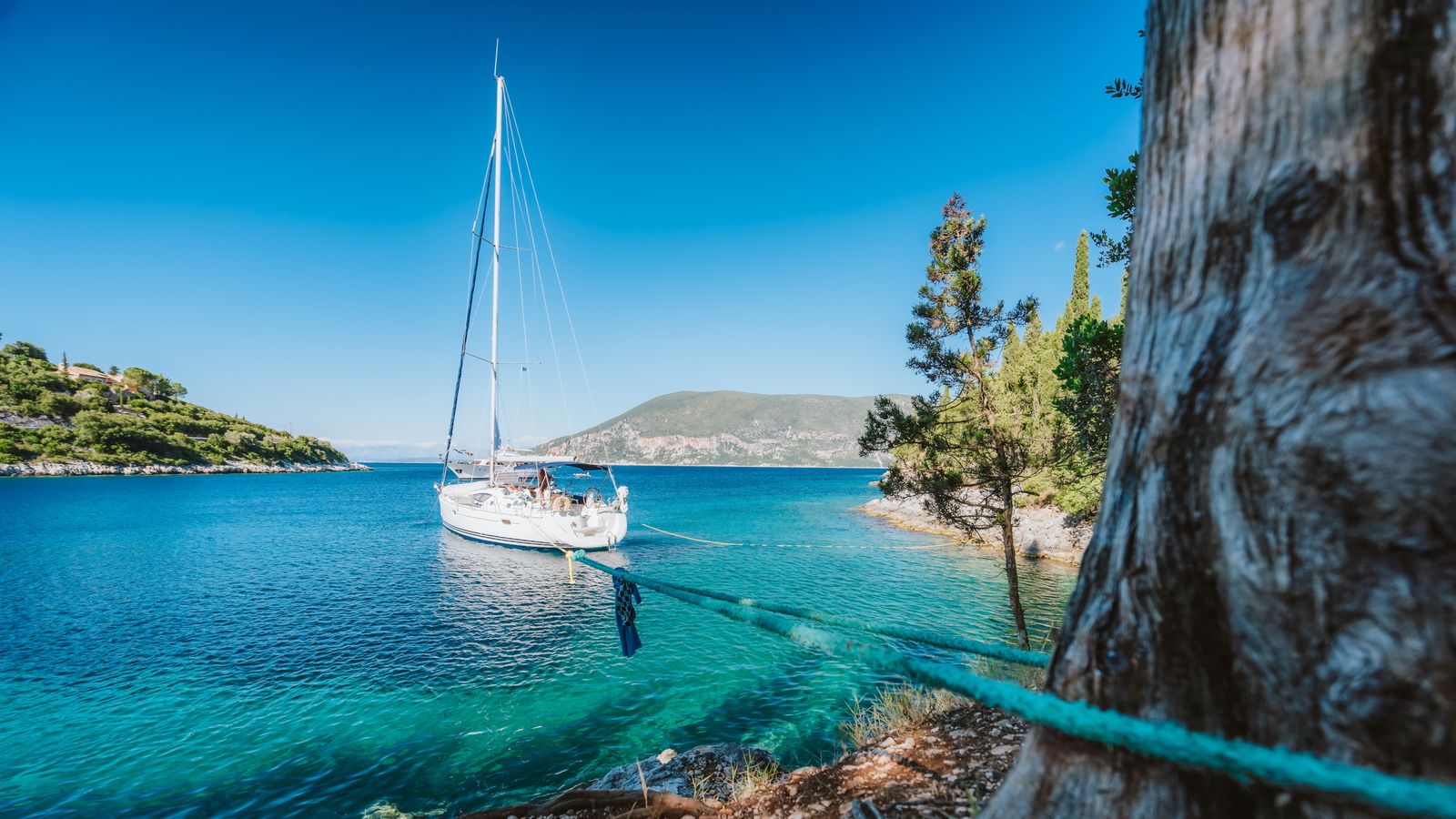
Unlike the Aegean, the Ionian is calm, predictable, and forgiving. The famous Meltemi that batters the Aegean in summer doesn't reach here — instead, the Ionian enjoys the gentler Maistros, a northwesterly thermal wind that fills in most afternoons and rarely exceeds Force 4–5. Mornings are often glassy calm, giving you a comfortable window to motor or motor-sail into position before the afternoon breeze fills in.
The islands themselves are lush and green — a striking contrast to the stark, sun-bleached rock of the Cyclades. Pine forests tumble down to the sea, small fishing villages have barely changed in decades, and the food is some of the best in Greece. Tavernas line the waterfront of nearly every harbour, and the locals are genuinely welcoming to sailors.
Sailing Conditions
Wind: The Maistros (NW) builds in the afternoon, typically Force 2–4, occasionally Force 5 in high summer. Mornings are usually light or calm. Wind direction can shift around headlands and channels.
Swell: Generally low inside the island chain. More exposed stretches — like the crossing toward Kefalonia's west coast — can get bumpy if the wind has been blowing for a few days.
Season: June through September is peak season. July and August bring the most reliable winds but also the most boats. Late May and early October offer quieter anchorages and lower charter prices.
Difficulty: Beginner to intermediate. Most passages are under 15 nautical miles. Night sailing is rarely necessary.
Who Is This Route Best For?
This loop is ideal for first-time charterers, sailors stepping up from dinghy or coastal sailing, and families with mixed levels of experience on board. The short legs mean you're rarely at sea for more than 2–3 hours, and there's always a sheltered bay or marina nearby if the weather turns unexpectedly. More experienced sailors will also enjoy the route — there's enough variety in anchorages, passages, and optional detours to keep things interesting throughout the week.
Where to Base Yourself: Lefkada Marina vs. Nidri/Perigiali
Most charter companies advertise departures from D-Marin Lefkada, the large marina at the northern end of Lefkada island. It's well-equipped, easy to navigate into, and a logical starting point. However, if you can arrange a charter from a base further south on Lefkada — around Perigiali or Nidri — it can work out cheaper, and in high season it's a real advantage: you're already 10+ nautical miles further into the cruising ground, and you can reach Ithaca in a single day's sail without the long morning slog south from the main marina.
On a Saturday in high season, Lefkada marina can be chaotic with loads of boats departing at the same time. Starting from a quieter base south of the main marina sidesteps much of that stress.
💡 Insider Tip #1 — Avoid the Friday Fuel Queue: If you're topping up fuel before departure on a Friday evening, the fuel dock at Lefkada marina gets extremely busy. The fuel dock at Perigiali/Nidri is only a short distance south and is usually far less congested. Plan your fuel stop there instead and save yourself a frustrating wait.
Recommended itineraries
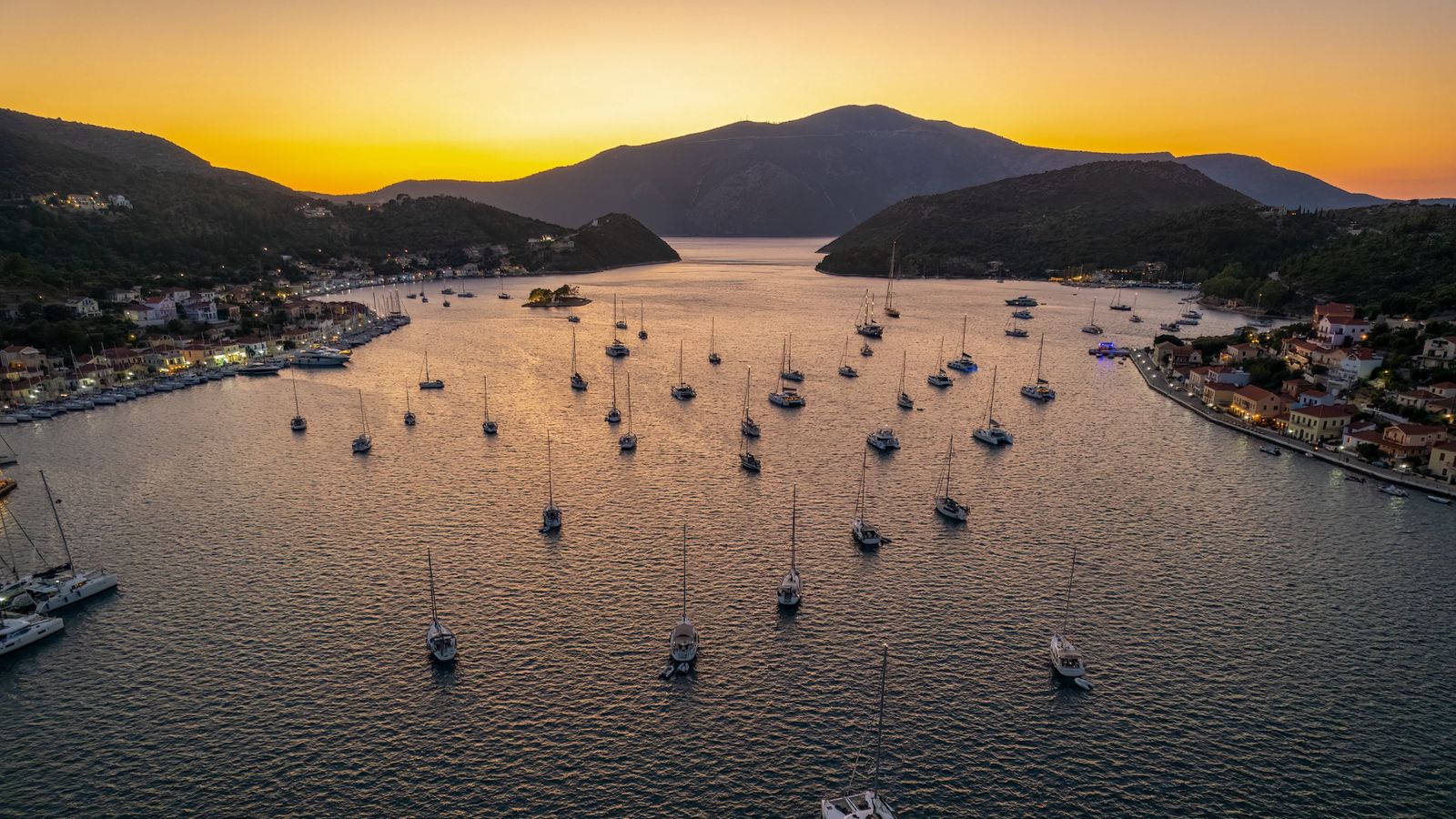
The Ionian rewards a flexible plan more than a fixed one. Below are our recommended routes for this cruising ground, ranging from gentle first-timer loops to longer legs for more confident crews. Each is built around short, sheltered passages and the area's reliable afternoon Maistros, so you can pick the itinerary that best matches your experience, your time, and the kind of week you're after.
Insider Tip #2 — Arrive Early in High Season: In July and August, the best anchorages and marina berths fill up fast — often by early afternoon. Aim to be anchored or tied up by 1–2pm. Set off in the morning calm before the afternoon wind builds, and you'll almost always get the spot you want. Booking marina berths (where possible) well in advance is strongly recommended for high season.
Mooring and Marina Tips
Stern-to mooring is standard across the Ionian. Drop your anchor, reverse to the quay, and take lines to shore or pick up a lazy line provided by the taverna. Practice this before you go — it takes getting used to.
Book marinas in advance for high season, particularly Lefkada and Vathy, Ithaca. Small village quays operate on a first-come basis only.
Anchorages fill by midday in July and August. Arrive before 1pm if you want the best spot.
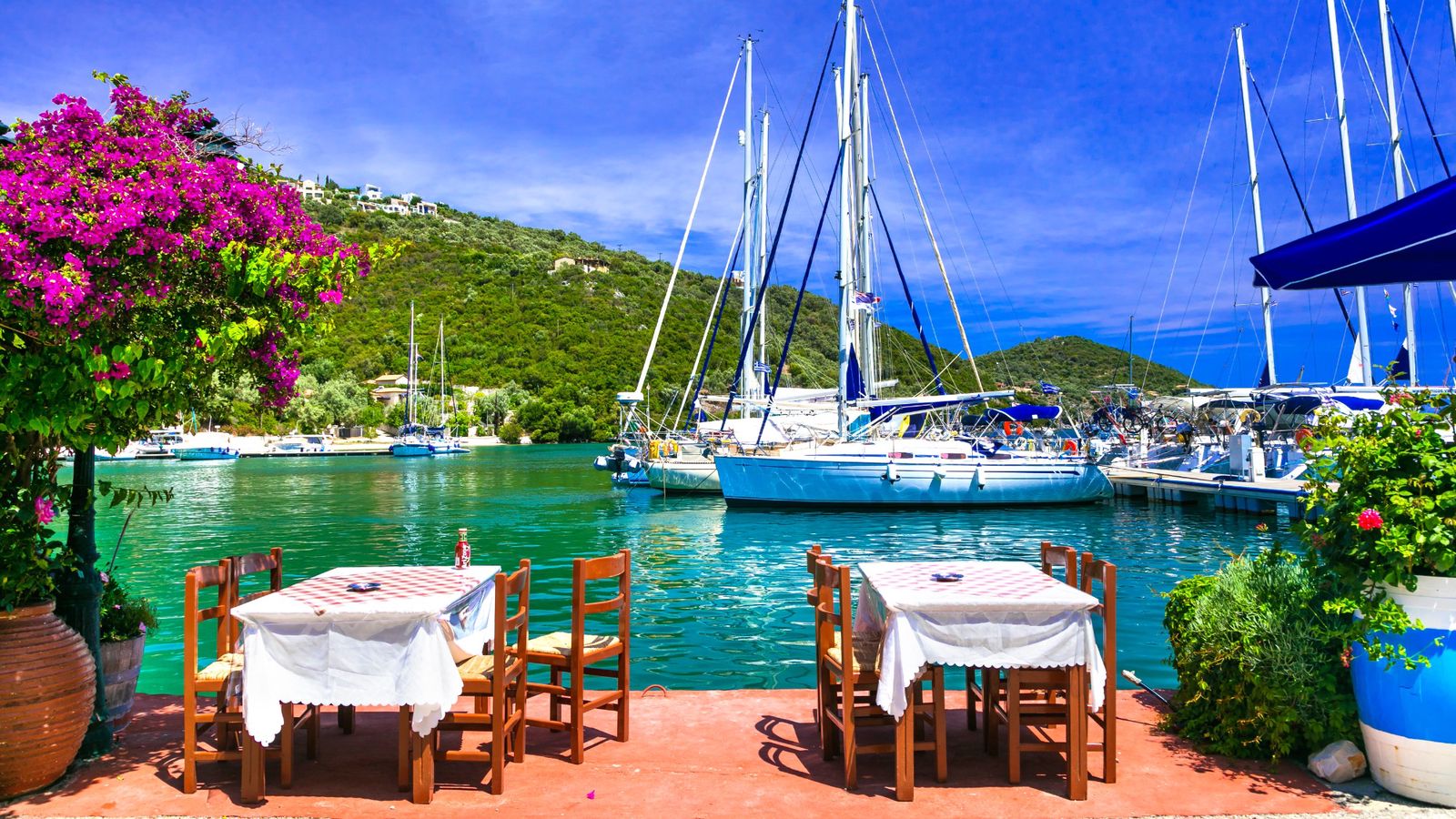
Taverna moorings are common throughout the Ionian — you pick up a buoy or a lazy line from a quayside restaurant, and in exchange they expect you to eat dinner there. The quality varies, but it's a fun arrangement and usually affordable.
Holding is generally good throughout the area (sand and weed), but always check your anchor has set before heading to the taverna.
Cost Expectations
The Ionian is one of the more affordable Mediterranean charter destinations, though prices have risen in recent years. Rough weekly costs to budget for:
Bareboat charter (40ft, high season): €2,000–€4,500/week depending on boat and company
Skipper (if needed): €150–€200/day
Fuel: €150–€300/week depending on motoring vs. sailing
Marina fees: €20–€60/night at organised marinas; free to €15/night at village quays and taverna moorings
Provisioning: €300–€500/week for a crew of 4–6 (supermarkets in Lefkada are well-stocked)
Eating out: Taverna meals typically €12–€20 per person including wine; cheaper than you'd expect given the quality
Total all-in for 6 people (excluding flights): Roughly €500–€900 per person for the week
Final Thoughts
The Ionian is one of those rare sailing destinations that genuinely lives up to the hype. Reliable winds, short passages, stunning anchorages, excellent food, and warm clear water combine to make it one of the most enjoyable weeks on a boat you'll ever have. This loop from Lefkada gives you variety without overambition — calm enough for beginners to find their feet, interesting enough to keep experienced sailors engaged, and flexible enough to adapt to whatever the weather and your crew's mood demand.
Go in June or early September if you can. Provision well in Lefkada before you leave. And arrive early at the anchorages. That's most of what you need to know.


