Boat Charter in Turkey: The Complete Guide to Sailing the Turquoise Coast
Updated
Discover everything you need to know about boat charter in Turkey — from the best sailing regions on the Aegean and Mediterranean coasts to costs, licensing requirements, and a sample 7-day itinerary along the Turquoise Coast.
On this page

Turkey is one of the world's most celebrated sailing destinations, and for good reason. With over 8,000 kilometers of coastline straddling two seas — the Aegean and the Mediterranean — the country offers an extraordinary blend of turquoise waters, ancient ruins, hidden coves, and vibrant marina towns. Whether you're an experienced skipper or a first-time charterer, a boat rental in Turkey promises an unforgettable adventure on the water.
Why Turkey Is Ideal for Sailing
Few countries on earth can match Turkey's combination of natural beauty, rich history, and sailing infrastructure. The so-called "Turquoise Coast" — stretching from Bodrum in the west to Antalya in the east — is widely considered one of the finest cruising grounds in the Mediterranean. Here's why sailors keep coming back:
Exceptional anchorages: Hundreds of sheltered bays, sea caves, and natural harbors mean you're rarely more than an hour's sail from a stunning overnight stop.
Ancient history at sea level: Sail past sunken cities, Lycian rock tombs carved into cliffsides, and ancient Greek and Roman ruins — many accessible directly from the water.
World-class marinas: Bodrum, Marmaris, Göcek, and Fethiye all boast excellent modern marinas with full facilities, provisioning, and experienced charter fleets.
Affordable luxury: Compared to the French Riviera, Croatia, or Greece, a Turkey yacht charter delivers outstanding value for money without compromising on quality.
Gulet culture: Turkey is the birthplace of the "gulet" — a beautiful traditional wooden motor-sailer that offers a uniquely comfortable way to explore the coast.
Best Sailing Regions
Turkey's coastline is vast, so choosing the right region for your charter is key. Here's a quick overview of the most popular cruising areas:
Bodrum Peninsula
The gateway to the Turkish Aegean, Bodrum is a cosmopolitan hub with a buzzing nightlife, a spectacular medieval castle, and easy access to countless small bays. The surrounding waters are dotted with Greek islands just across the border, and the sailing is relaxed and beginner-friendly.
Marmaris and the Gulf of Gököva
Marmaris is one of Turkey's largest charter bases, offering a wide selection of vessels. The Gulf of Gököva to the north is arguably the most beautiful cruising ground in the country, lined with pine-clad mountains, secluded coves, and crystal-clear water. It's a sailor's paradise and remains relatively uncrowded even in high season.
Göcek and the Gulf of Fethiye
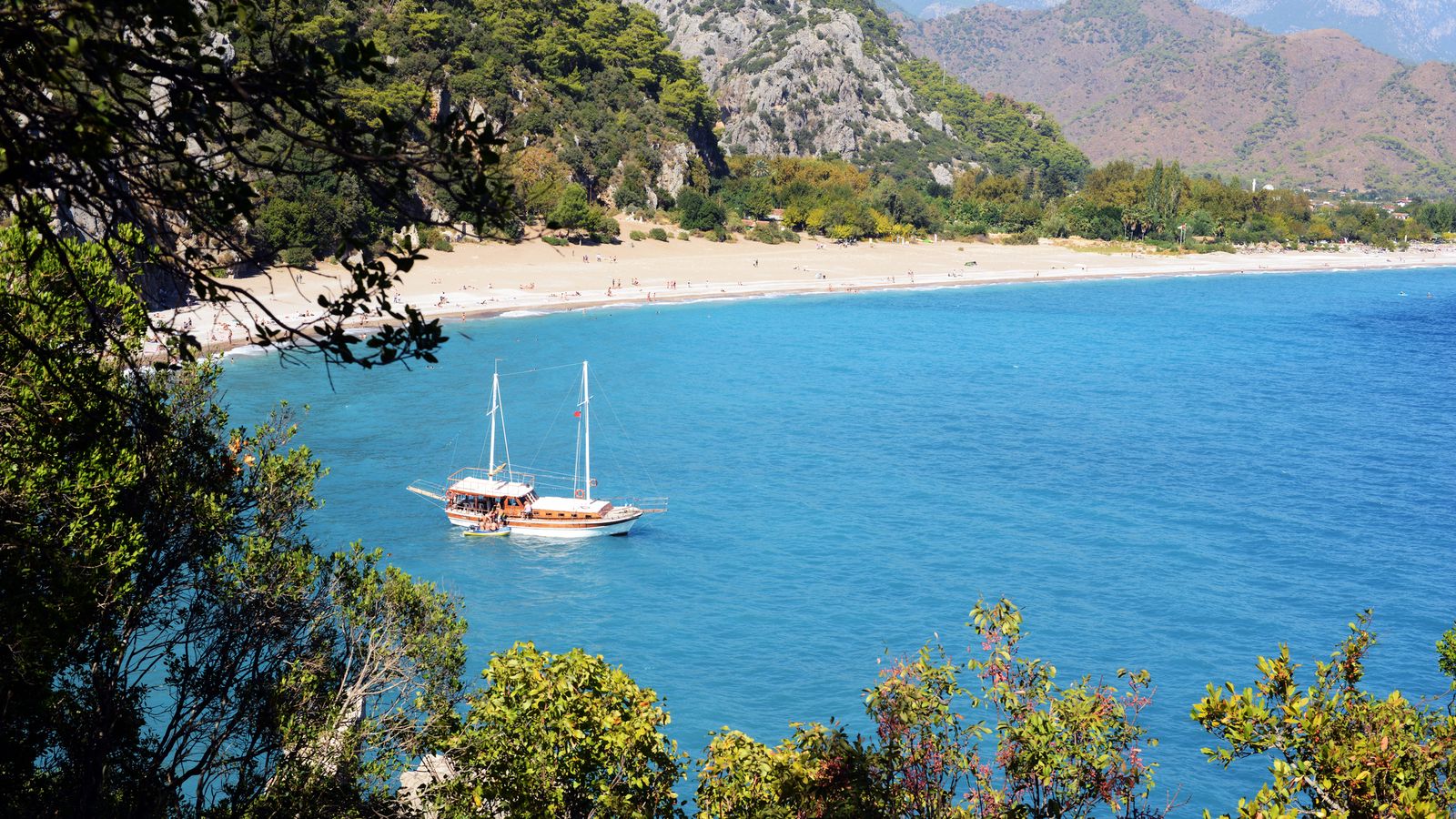
Göcek is a small, charming town surrounded by 12 islands that are perfectly suited to day sailing. The nearby Gulf of Fethiye is equally spectacular, with the ghost town of Kayaköy and the famous Blue Lagoon at Ölüdeniz just a short distance away. This region is popular with flotilla holidays.
Antalya and the Eastern Mediterranean
Further east, the Lycian Coast offers some of the most dramatic scenery on the entire Turkish Riviera. Ancient Lycian tombs rise from the sea near Dalyan, and the ruins of Kekova's sunken city can be seen through the clear water from your boat. Antalya itself is a stunning city worth exploring on arrival or departure.
Weather and Best Time to Visit
Turkey's Aegean and Mediterranean coasts enjoy a classic Mediterranean climate — hot, dry summers and mild, wetter winters. For sailing, the season typically runs from April through October, with the peak months being July and August.
April – May (Shoulder Season): Excellent conditions for sailing. Temperatures are pleasant (20–25°C), marinas are quiet, prices are lower, and the landscape is lush and green. Ideal for those who prefer a peaceful trip.
June (Best Month): Many sailors consider June the sweet spot — warm weather, reliable winds, fewer crowds than July and August, and great visibility underwater for snorkeling and diving.
July – August (Peak Season): The hottest months, with temperatures often exceeding 35°C on land. The "Meltemi" wind (known locally as "Imbat") blows regularly from the northwest in the Aegean, providing good sailing breeze but occasionally reaching Force 5–6. Expect crowded anchorages and premium prices.
September – October (Shoulder Season): The sea is at its warmest, crowds thin out, prices drop, and the winds become more manageable. September in particular is considered by many experienced sailors to be the finest month of the year on the Turkish coast.
Costs Overview
One of Turkey's biggest advantages as a charter destination is value for money. Here's a general breakdown of what to expect for a boat rental in Turkey:
Bareboat sailing yacht (38–42 ft): €800 – €2,000 per week depending on season and boat age.
Skippered sailing yacht (38–45 ft): €1,200 – €3,500 per week including skipper fees.
Traditional gulet (8 berths): €2,500 – €8,000+ per week depending on size, age, and season. Luxury gulets can exceed €20,000 per week.
Catamaran charter: €2,500 – €6,000 per week for a 4-cabin catamaran.
Marina fees: €20 – €80 per night depending on the marina and vessel size.
Fuel: Budget €50 – €150 per day if motoring frequently; less if you sail.
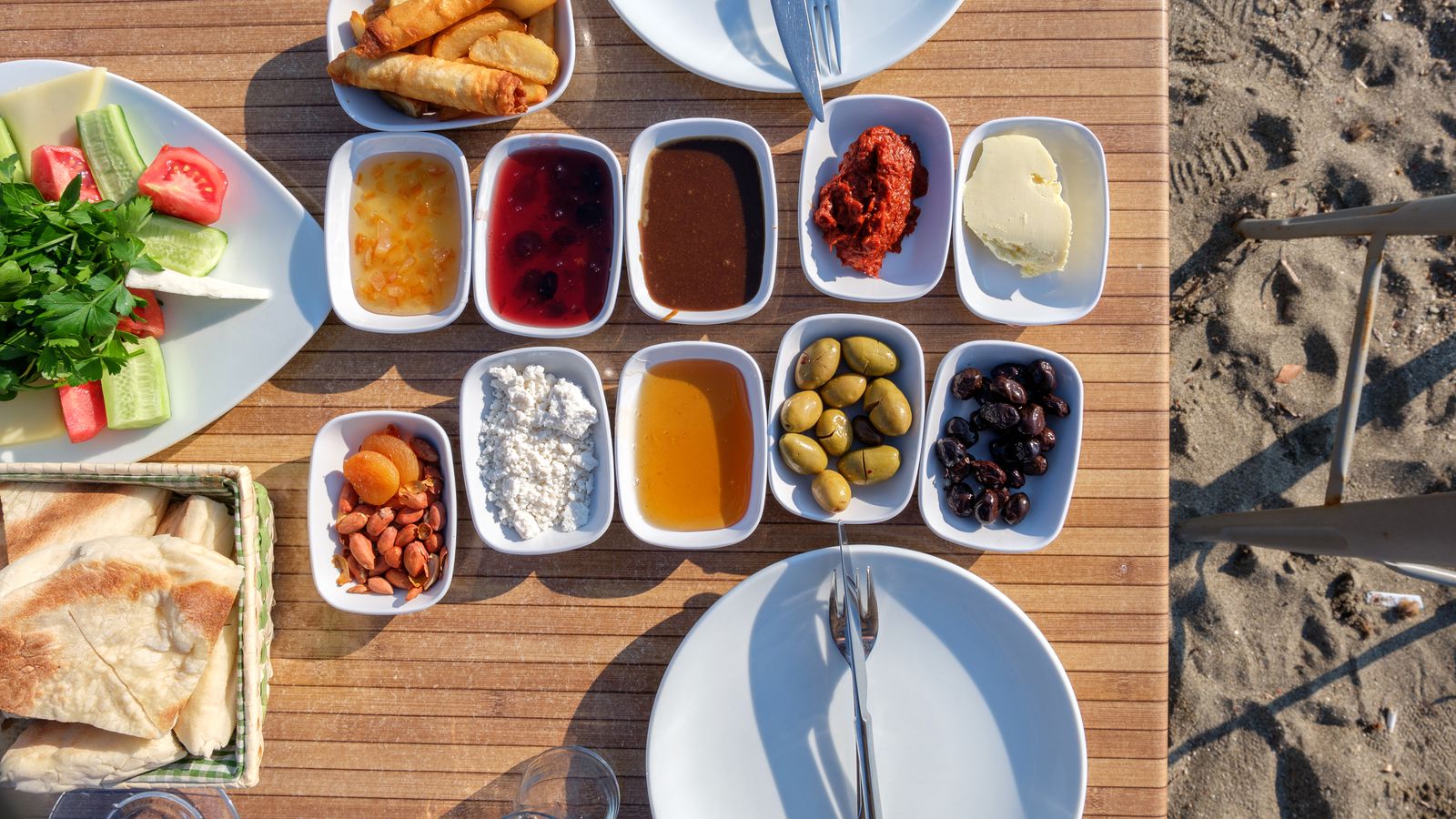
Food and provisioning: Turkey is extremely affordable. A well-stocked supermarket shop for a week feeds 6–8 people for around €150–€250. Waterfront restaurants are excellent value, with meze and fresh grilled fish for €15–€30 per person.
Transit log (cruising permit): Required for foreign-flagged vessels. Costs approximately €200–€400 and is usually arranged by the charter company.
Sample 7-Day Itinerary: The Göcek–Fethiye Loop
This classic route departs from Göcek and is suitable for all experience levels. It offers a perfect mix of history, nature, and beach life.
Day 1 – Göcek: Board your vessel, provision, and get familiar with the boat. Evening meal ashore in Göcek's charming marina village.
Day 2 – Göcek Islands: Explore the 12 islands surrounding Göcek Bay. Anchor at Tersane Island for a swim in the ruins of an old Byzantine boatyard. Overnight in a quiet cove.
Day 3 – Skopea Limani (Wall Bay): Sail deeper into the Gulf of Fethiye to the stunning Skopea Limani. Swim in impossibly clear water, hike to a Lycian tomb, and enjoy a sundowner in the cockpit.
Day 4 – Fethiye Town: Sail to Fethiye for a day and night ashore. Visit the Lycian rock tombs above the city, explore the old bazaar, and dine on fresh fish in the famous fish market area.
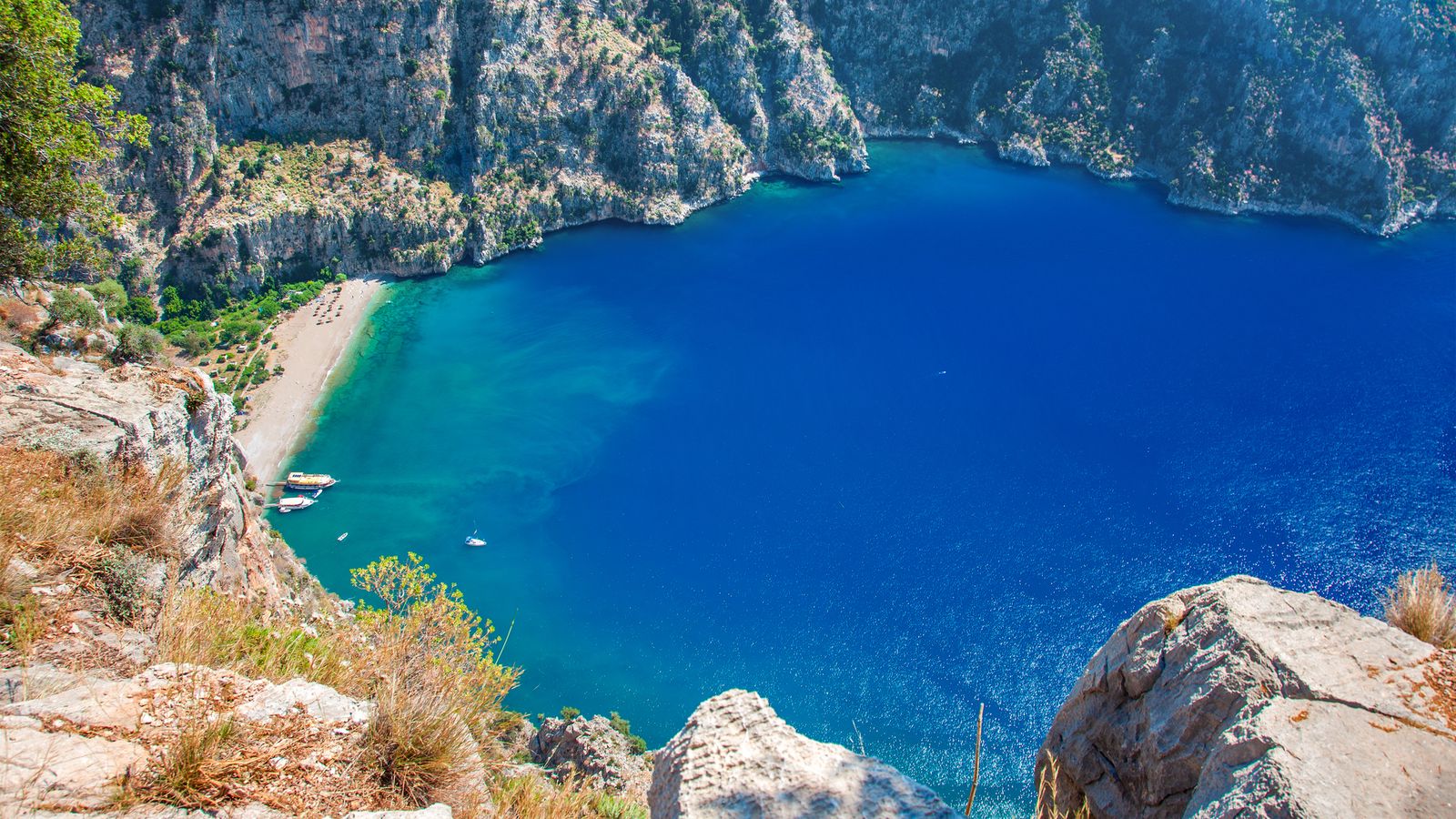
Day 5 – Ölüdeniz and Butterfly Valley: Anchor off the famous Blue Lagoon at Ölüdeniz for a morning swim, then sail around the headland to the remote Butterfly Valley — a stunning canyon accessible only by sea or a steep trail.
Day 6 – Bozukkale (Loryma): Sail back toward Göcek, stopping at Bozukkale — a remote village at the foot of an ancient Rhodian castle. Simple but delicious seafood dinners are served at the village's few family restaurants. Overnight at anchor.
Day 7 – Return to Göcek: An easy morning sail back to Göcek. Final swim stop at one of the bay's beaches before returning the vessel and heading home with a sun-tan and a lifetime of memories.
Travel Requirements and Sailing Licenses
Before booking your Turkey yacht charter, it's important to understand the legal requirements for sailing in Turkish waters.
Sailing License
Turkey requires all skippers of chartered vessels to hold a valid sailing license recognized by Turkish maritime authorities. The following are generally accepted:
ICC (International Certificate of Competence) — widely accepted and sufficient for coastal cruising.
RYA Competent Crew / Day Skipper / Coastal Skipper — accepted depending on the charter company's requirements.
National licenses from EU countries and many other nations are generally accepted; verify with your charter company.
If you do not hold a license, you can charter a boat with a professional skipper — a popular and often recommended option for first-timers.
Visas and Entry
Citizens of most Western countries including the US, UK, Canada, and EU nations can obtain a Turkish e-Visa online before arrival, typically valid for 90 days. Always check the latest requirements for your specific nationality before travel.
Transit Log (Cruising Permit)
Foreign-flagged yachts must obtain a transit log ("transit log" or "giriş izni") upon entering Turkish waters. Charter companies typically handle this on your behalf when the boat is Turkey-flagged — confirm this when booking.
Customs and Borders
If your itinerary includes crossing into Greek waters (e.g., nearby islands like Rhodes, Kos, or Symi), you will need to officially check out of Turkey and into Greece. This requires visiting a port of entry with customs and immigration facilities — plan this into your itinerary carefully.
5 Practical Tips for Chartering in Turkey
Book early for peak season. The best boats in July and August are reserved months — sometimes over a year — in advance. If you have specific dates in mind, start searching at least 6 months ahead. Shoulder season bookings offer much more flexibility and better pricing.
Hire a local skipper or hostess. Even experienced sailors benefit enormously from local knowledge. A Turkish skipper will know the best hidden coves, the finest waterfront restaurants, and how to navigate the occasional bureaucratic formality with ease. Many charter companies offer skipper and hostess packages at very reasonable rates.
Carry Turkish Lira for small ports and anchorage fees. While major marinas accept cards, small village jetties and waterfront restaurants often prefer cash. Exchange money at a bank or ATM on arrival for the best rates.
Respect the anchoring etiquette and environment. Turkey's bays can be busy in peak season. Arrive early at popular anchorages, keep safe distances from other boats, and never drop anchor on a posidonia seagrass meadow. Use mooring buoys where provided.
Try the gulet experience. If you're traveling with a larger group (6–12 people), chartering a traditional Turkish gulet with a full crew is one of the most relaxing and authentically Turkish ways to experience the coast. Meals are prepared on board, you never need to lift a finger, and the vessels are surprisingly comfortable. Split between 8–10 people, the cost is very competitive.
Final Thoughts
A boat charter in Turkey is more than a sailing holiday — it's an immersion into one of the most storied coastlines on earth. From the moment you cast off from a marina in Bodrum or Göcek, the Turquoise Coast reveals itself in layers: ancient civilizations, Byzantine monasteries, wild dolphins, hidden beaches, and the extraordinary warmth of Turkish hospitality. Whether you opt for a bareboat adventure, a skippered sailing yacht, or the pampered ease of a crewed gulet, the sea is waiting. All you need to do is go.


