BVI vs The Grenadines: Which Caribbean Sailing Destination Is Right for You?
Updated
The BVI and the Grenadines are the Caribbean's two most-compared sailing destinations — but they suit very different sailors. Here's an honest, side-by-side breakdown of conditions, cost, experience level, and onshore life to help you choose.
On this page

BVI vs The Grenadines: Which Caribbean Sailing Destination Is Right for You?
You've decided on a Caribbean sailing charter. You've narrowed it down to two. Now comes the hard part.
The British Virgin Islands and the Grenadines consistently top every Caribbean charter shortlist — and for good reason. Both offer trade-wind sailing in turquoise water with rum punches at the end of the day. But they are not interchangeable. One is a polished, social, beginner-friendly machine built for first-time charterers. The other is rawer, quieter, and rewards sailors who want genuine exploration over convenience. Choose the wrong one and you'll spend the week either stressed or bored.
This guide assumes you're past the inspiration stage. You want specifics, honest tradeoffs, and a clear answer.
Quick Verdict
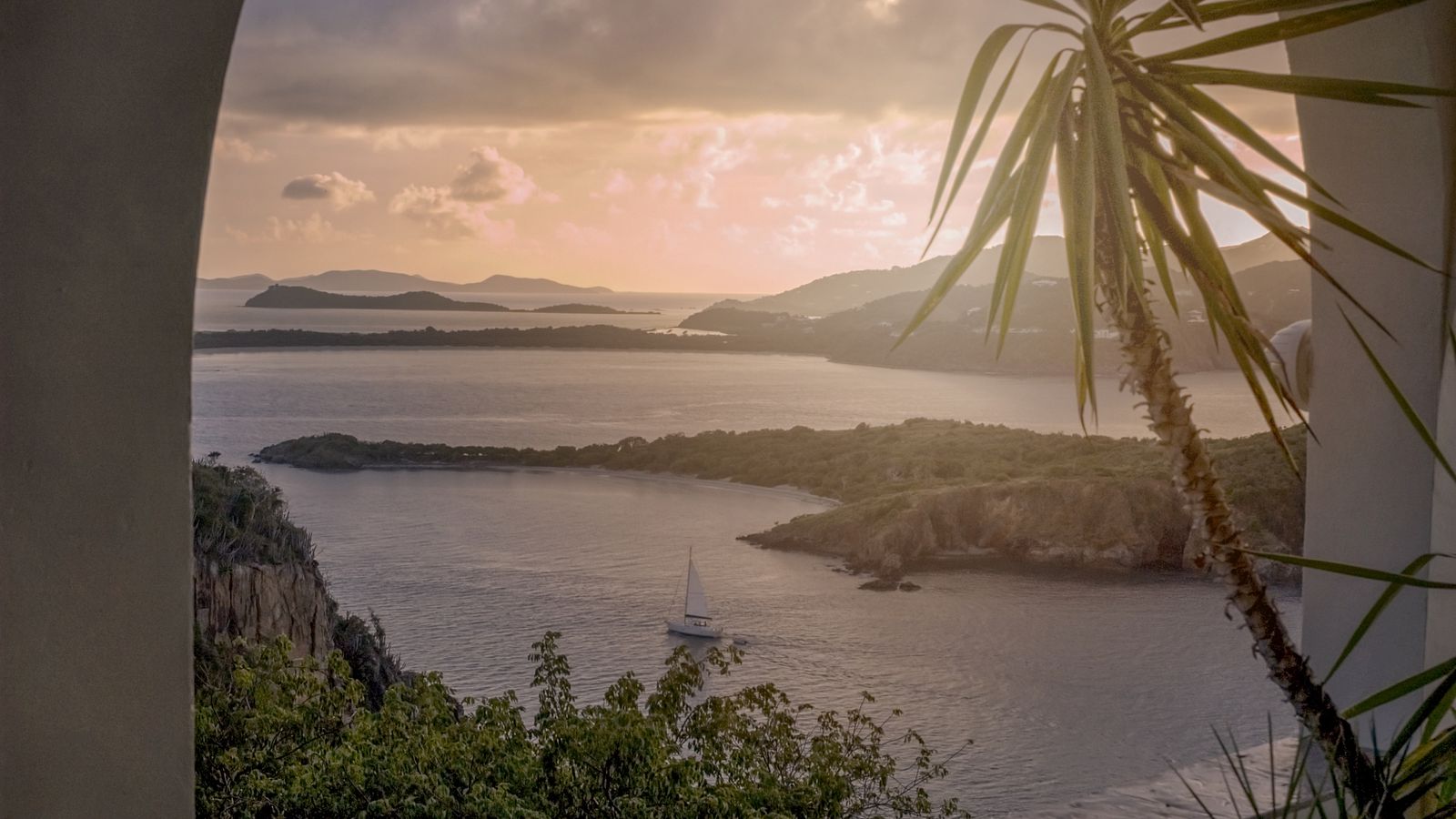
The BVI is the best first bareboat charter destination in the world — short hops, steady trade winds, excellent infrastructure, and an entire social scene built around sailboats. The Grenadines reward sailors ready to step up: longer passages, wilder anchorages, and a Caribbean that feels like it did 30 years ago. If you've never skippered a charter before, start in the BVI. If you've done a few and want something more real, head south.
Area Profile: British Virgin Islands
Vibe in one sentence: A purpose-built sailing playground where the beach bars are as much a destination as the anchorages.
The BVI is a compact cluster of islands — Tortola, Virgin Gorda, Jost Van Dyke, Anegada, Norman Island, and a dozen smaller cays — spread across a protected channel roughly 20 nm wide. Almost every passage is within sight of land. The Sir Francis Drake Channel, the main sailing corridor, is shielded on both sides by island chains that knock down swell and keep conditions manageable even when trade winds are blowing hard.
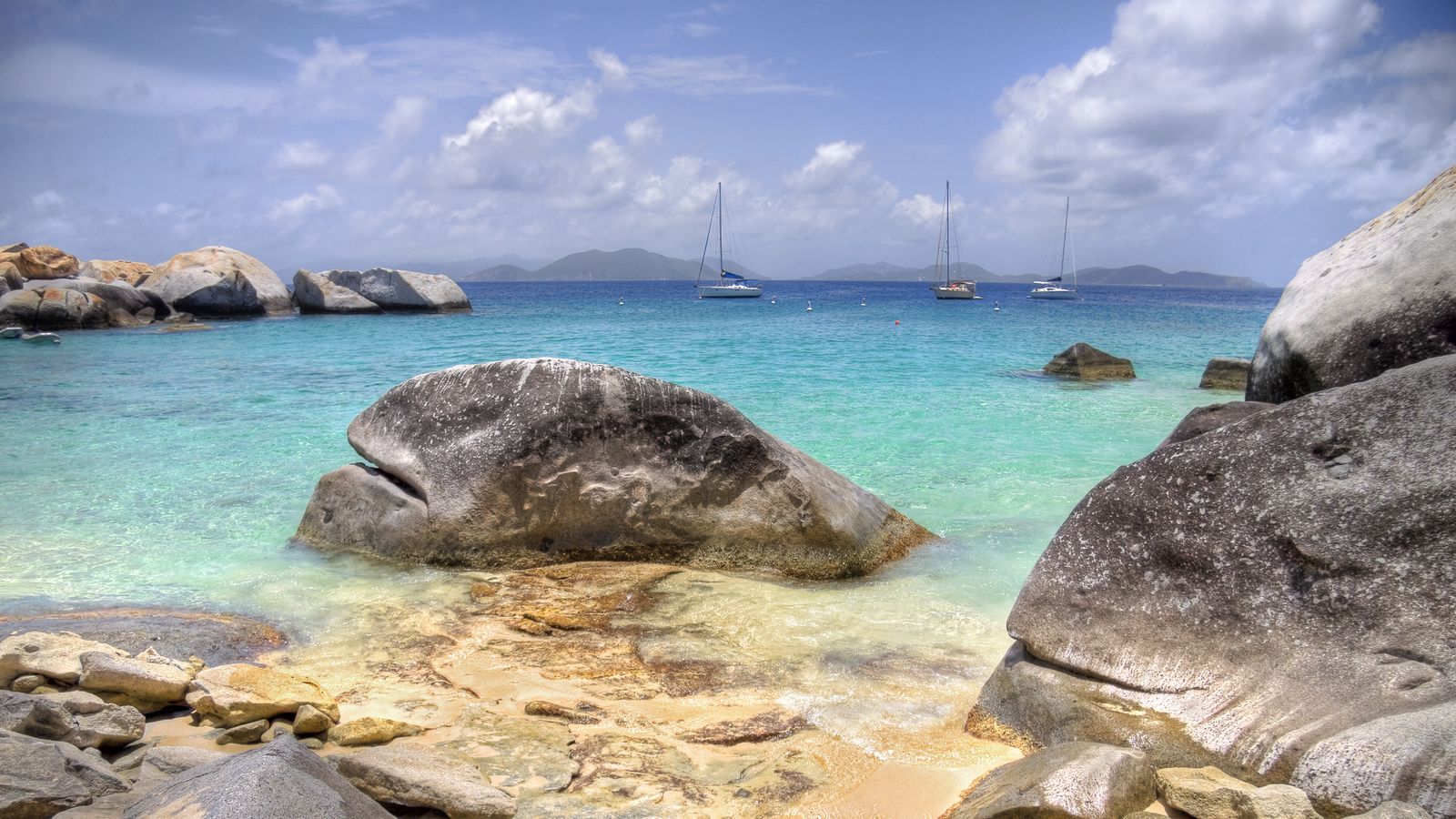
Iconic stops include the Baths at Virgin Gorda (dramatic granite boulder formations with sea pools), the Soggy Dollar Bar on Jost Van Dyke (birthplace of the Painkiller cocktail), and The Bight at Norman Island, said to have inspired Treasure Island. Mooring balls are everywhere — the National Parks Trust maintains hundreds of them, so anchoring off the sea floor isn't usually necessary or permitted in the most popular spots.
Signature crew: First-time bareboat charterers, couples wanting social anchorages and easy days, groups of friends who came for the beach bar culture as much as the sailing.
Area Profile: The Grenadines
Vibe in one sentence: A chain of mostly undeveloped islands running 65 miles south from St. Vincent to Grenada, where you can still feel like you've found something.
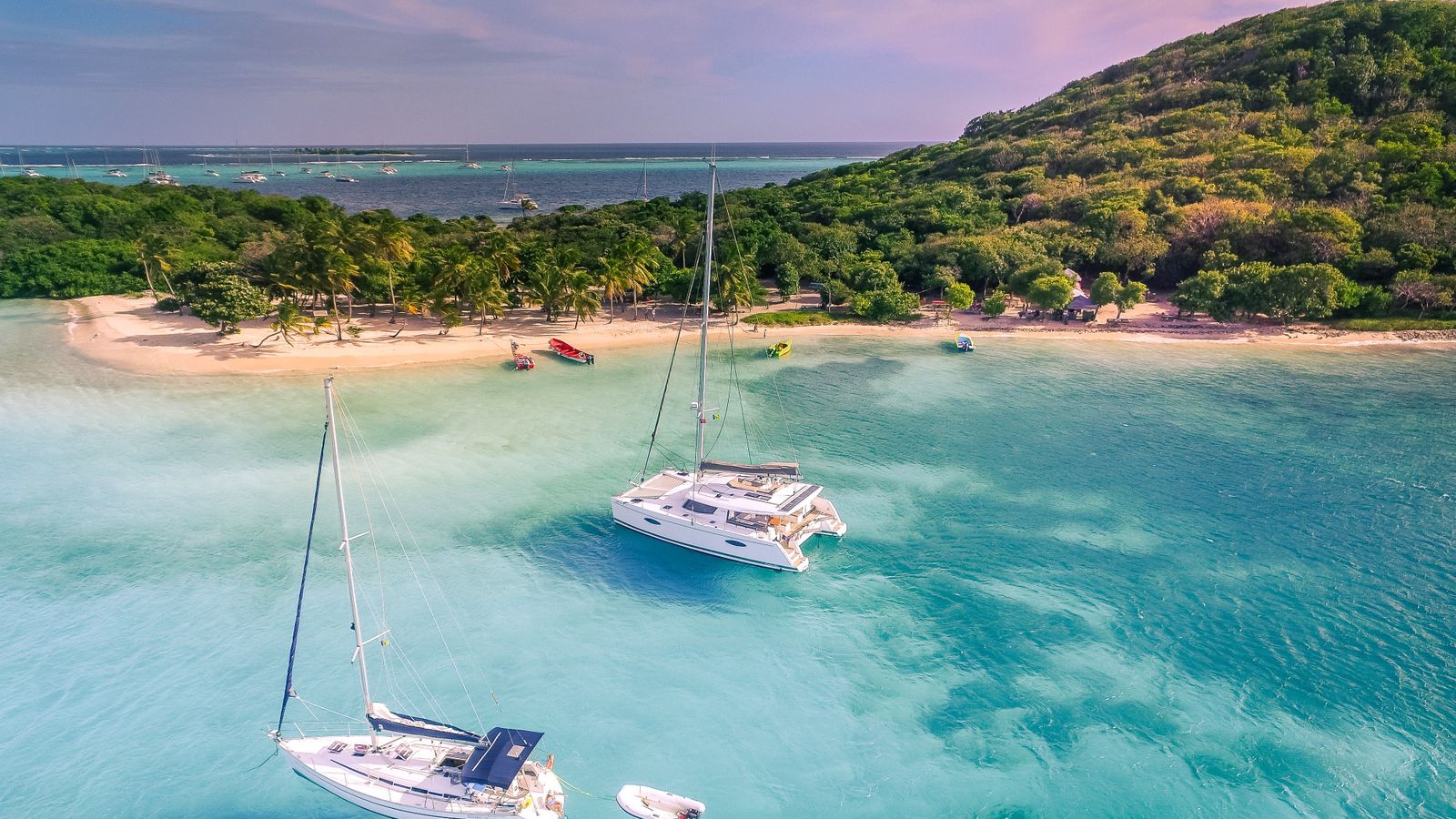
The Grenadines archipelago stretches through St. Vincent and the Grenadines (SVG) and ends at Grenada, and each island has its own distinct character. Bequia is a working sailor's village with a genuine boatbuilding tradition and good provisioning. Mustique is private, quiet, and exclusive — day visitors are technically allowed but access is limited. Canouan is lush and low-key. Mayreau is tiny, sleepy, and charming. Union Island is the southern hub, with connecting flights and a lively local scene. And then there are the Tobago Cays: four uninhabited islands inside a horseshoe reef, with green sea turtles cruising the shallows and water so clear you can read your anchor chain from the cockpit.
Signature crew: Experienced bareboat charterers, liveaboard sailors on extended trips, couples looking for seclusion, wildlife and snorkel enthusiasts, anyone done with crowds.
Head-to-Head Comparison Table
Factor BVI Grenadines Vibe Social, polished, beach-bar-centric Wild, authentic, exploratory Wind 15–20 kt trades, sheltered 15–25 kt, exposed channels Difficulty Beginner-friendly Intermediate to advanced Passage lengths 5–15 nm, land always in sight 15–30+ nm, open water crossings Scenery Dramatic rocks, boulders, protected bays Reef, wildlife, uninhabited islands Nightlife Strong — beach bars, live music Quiet — local bars, not a party scene Family-friendliness Excellent — short hops, calm water Good with experience, harder for young kids Crowds High in peak season Low — even in high season Cost tier Higher (mooring + park fees add up) Moderate (lower daily costs, higher flights) Best months December–April January–May
Sailing Conditions: The Details
Both regions sit squarely in the trade-wind belt and receive consistent northeast to easterly trades throughout the winter sailing season. But the experience on the water is quite different.
In the BVI, the Sir Francis Drake Channel acts as a natural wind tunnel that's simultaneously a wind buffer — the islands on both sides knock down open-ocean swell, so you're sailing in flat-to-moderate chop even at 20 knots. Passages of 5–10 nm are the norm. You could realistically sail the entire circuit in either direction without ever losing sight of land. Mooring balls are plentiful and well-maintained. Navigation is straightforward with few hazards outside of Anegada (a low-lying coral atoll that demands extra care).
The Grenadines are a different conversation. The channels between islands — particularly the stretch between St. Vincent and Bequia, and the wider crossing toward the Tobago Cays — are open to Atlantic swell and can build 2–3 meter seas with 20–25 knots of wind on a bad day. Passages of 20–30 nm require planning and an early start. Reefs are more numerous and less well-marked than in the BVI, and chart accuracy varies. Anchoring off the hook — not on a mooring ball — is common and requires competent technique.
The upside: when the conditions are right (January through April typically delivers the steadiest trades), the Grenadines offer exhilarating trade-wind sailing with the kind of consistent reaching angles that BVI sailors rarely experience because the passages are so short.
Experience Level and When to Hire a Skipper
The BVI is widely considered the world's best destination for a first bareboat charter. Short passages, visible landmarks everywhere, predictable wind, and an infrastructure of charter companies that can brief you thoroughly make it forgiving of rookie mistakes. If your crew includes nervous sailors, first-timers, or young children, this is the right call. A skipper is rarely necessary here unless you have zero sailing background.
The Grenadines require more. You should be comfortable with passages of 20–30 nm in open water, confident anchoring in varying depths, and capable of reading reef charts carefully. If you're transitioning from coastal sailing to offshore passages, this is a reasonable step up — but have the experience first. First-time charterers who book the Grenadines frequently find it overwhelming. If you're not sure, hire a local skipper for the first two days — the knowledge of reef entrances and anchorage depths alone is worth the cost.
Best Season: When to Go
BVI peak season runs December through April, when trade winds are consistent, humidity is manageable, and rainfall is low. Anchorages fill up fast — mooring balls at the Baths and the Soggy Dollar Bar are claimed by mid-afternoon in January and February. Christmas week and New Year are extremely busy and command significant price premiums. May and June offer a useful shoulder season: lower prices, reduced crowds, still-reliable wind, though the occasional pre-hurricane squall becomes a factor.
Grenadines peak season mirrors the BVI roughly — January through May is best, with January through March typically the most settled. The Grenadines sit south of the main hurricane belt (Grenada is at 12°N) which gives them a marginally longer viable season than the BVI. Some experienced sailors do the Grenadines in November and find it workable, though the passage conditions can be rougher early in the season. June through October is hurricane season and not recommended for either destination, though the Grenadines have historically had lower hurricane risk.
Onshore Experience: Food, Culture, and Nightlife
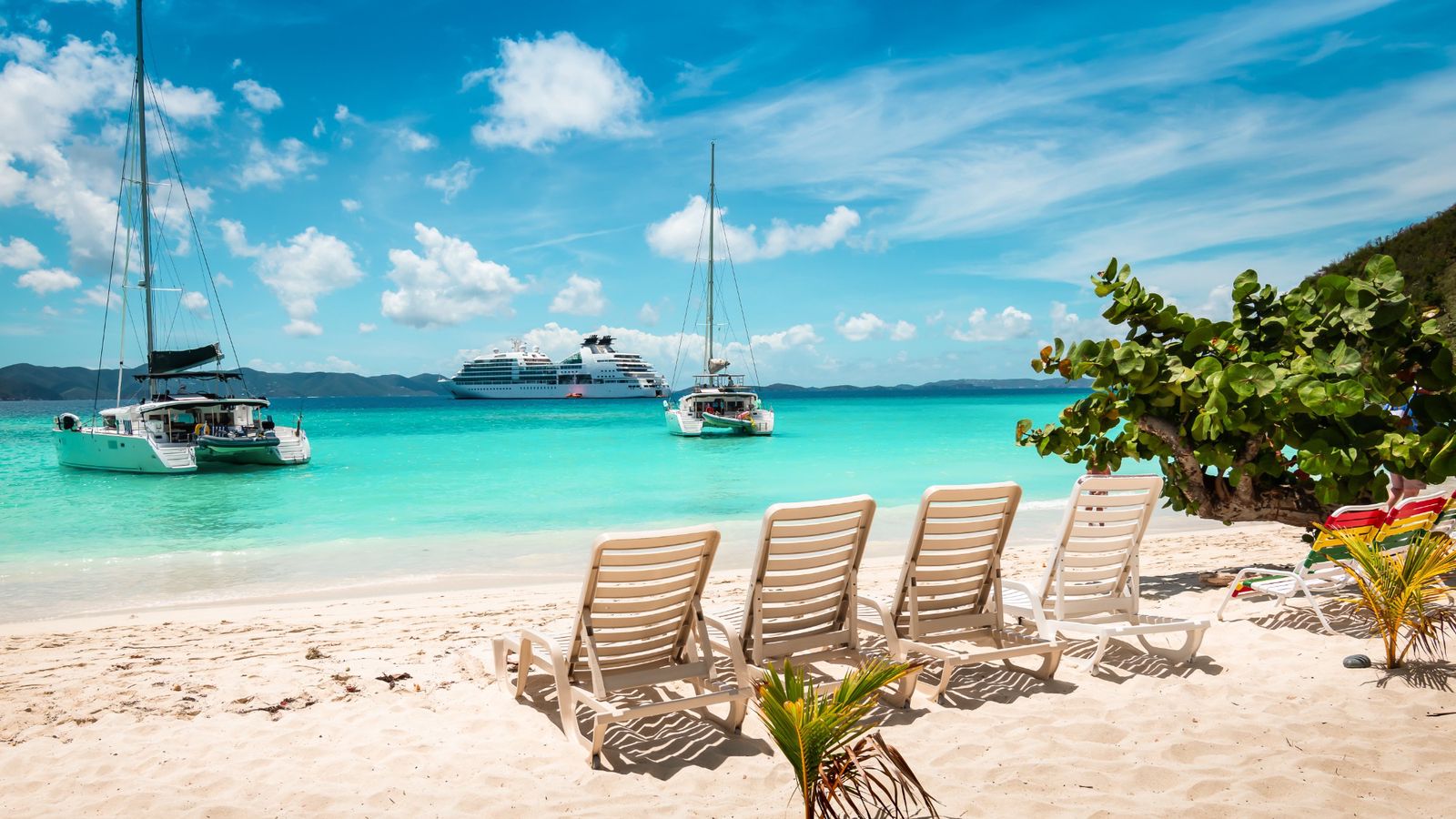
The BVI's onshore scene is essentially built around the charter industry. The Soggy Dollar Bar on White Bay serves rum punches from mid-morning and gets loud by sunset. The Willy T — a floating bar anchored in the Bight — is notorious. Cooper Island Beach Club, Saba Rock, and Leverick Bay all offer reliable, charter-crowd-friendly menus. The culture is friendly and service-oriented, but this isn't the Caribbean you'll tell stories about for local color. It's comfortable, predictable, and fun if that's what you're after.
The Grenadines offer more texture. Bequia has a proper local restaurant scene, good provisioning at Port Elizabeth, and a chandlery tradition that gives it genuine sailing culture rather than charter-industry culture. Locals build wooden boats here; that's not a tourist attraction, it's a livelihood. Mayreau has one hilltop bar with no agenda and a view that earns its rum. The Tobago Cays Marine Park has no development at all — you swim with turtles and come back to cook whatever you bought at the last port. Grenada at the southern end has a spice market, proper restaurants, and a depth of Caribbean culture that makes the BVI feel like a theme park by comparison.
Logistics: Getting There and Getting Afloat
BVI: Fly to San Juan (SJU) or St. Thomas (STT), then take a ferry to Tortola's Road Town or West End. Total transfer time from the US East Coast is typically 4–6 hours gate to boat. Tortola has one of the largest concentrations of bareboat fleets in the world — The Moorings, Sunsail, Dream Yacht Charter, Barefoot Yachts, and several independents all operate here. Boat availability is excellent, pricing is competitive because of supply, and provisioning from Road Town supermarkets is straightforward. One-way charters (ending on Virgin Gorda, for example) are easy to arrange.
Grenadines: Access is more complicated. The two most common approaches are flying into Barbados (BGI) and connecting to St. Vincent's Argyle International Airport, or flying into St. Lucia (UVF) and beginning a southbound charter from Rodney Bay. Some sailors start from Grenada (GND) and sail north — which puts the wind on your nose for much of the trip and isn't ideal. Charter bases in St. Vincent, St. Lucia, and Grenada all have smaller fleets than Tortola, so book early. Provisioning in St. Vincent is reasonable before departure; resupply options mid-charter are limited. Flights to the region often require connections through Barbados or Trinidad, adding a full day of travel each way.
Cost Reality
A week's bareboat charter in the BVI for a 40–45 foot monohull in peak season typically runs $4,500–$7,000+ depending on boat age and company. On top of that, budget $35–50 per night for National Parks Trust mooring fees, roughly $200–300 in park permit fees for the week, and $150–200 per day in provisioning and restaurant meals if you eat out regularly. The Soggy Dollar Bar tab adds up faster than you expect.
The Grenadines are cheaper on a daily basis once you're there — provisioning costs less, mooring and anchoring fees are lower, and restaurants outside the yacht-charter circuit are genuinely affordable. But getting there often costs $300–600 more per person in flights due to connections, and charter base options are fewer, so you have less negotiating room on the boat price itself. Net-net: a Grenadines week can be comparable in total cost to a BVI week, or slightly cheaper, depending on routing and how well you provision.
Pick BVI If…
This is your first or second bareboat charter and you want to build confidence without stress
You're sailing with kids under 12 or crew who get seasick easily
The social scene — beach bars, sundowners with other sailors, lively anchorages — is part of the appeal
You want predictable logistics: big fleet, easy provisioning, simple transfer from the airport
You'd rather sail 7 nm to a cold beer than 25 nm to an empty beach
Pick The Grenadines If…
You've done the BVI (or similar) and want something that feels less like a charter circuit
You prioritize wildlife, snorkeling, and uninhabited anchorages over beach bars
Your crew is experienced enough to handle 20–30 nm passages in open water
You want to feel like you're exploring rather than following a well-worn route
The idea of a week without seeing another charter boat is a selling point, not a concern
Honest Caveats
Don't go to the BVI if you're looking for authentic Caribbean culture or unspoiled anchorages. Peak season mooring fields can feel like a marina afloat — with VHF chatter, generator noise, and a line for the dinghy dock. Anegada aside, the sailing lacks challenge for experienced offshore sailors. And the bar tab at the Soggy Dollar hits differently after the fourth Painkiller.
Don't go to the Grenadines if you've never skippered a charter and you're planning to go bareboat. The passages between islands are genuinely demanding in rough conditions, reef navigation is unforgiving, and the distances mean a bad weather decision mid-week has limited escape routes. Also: if provisioning uncertainty will stress out your crew, this isn't the right trip. Supermarkets do not exist at anchor in the Tobago Cays.
Frequently Asked Questions
Can I sail one-way between the BVI and the Grenadines?
No — they are roughly 400 nm apart, separated by multiple island nations and open Atlantic sailing. They are entirely separate charter destinations with different base fleets. You cannot do one-way between them, and combining both in a single week isn't realistic for most crews. Choose one.
Which is better with kids?
The BVI, clearly. Short passages of 5–15 nm mean less time at sea and more time swimming. Mooring balls are everywhere, so there's no anchor drama. The Baths at Virgin Gorda and the calm beaches of Peter Island are excellent for kids. The Grenadines can work well with older children (10+) on experienced-crew boats, but the longer passages and open-water conditions make it harder with young kids.
Which has better snorkeling?
The Grenadines, and it's not particularly close. The Tobago Cays Marine Park is a genuine marine reserve with healthy coral and resident green sea turtles that you can snorkel alongside legally and regularly. The BVI has good snorkeling at The Indians and around Norman Island's caves, but the reef health is patchier. Anegada has excellent snorkeling and a barrier reef, but it's a day trip from the main circuit.
Is it safe to sail the Grenadines in hurricane season?
Neither destination is recommended June through October. The Grenadines sit further south and have historically been hit less often than the northern Caribbean, but Grenada was directly struck by Hurricane Ivan in 2004. Insurance on charter boats typically becomes void or prohibitively expensive in hurricane season. Sail either destination January through April for the most reliable conditions and standard charter insurance coverage.
Which destination is better value for experienced sailors who want challenging passages?
The Grenadines. A run from Bequia down through Canouan to the Tobago Cays and back up via Mustique involves proper passage planning, reef navigation, and genuine open-water sailing. The BVI, for all its charms, will leave experienced offshore sailors a little bored by Day 3. If you want to work for your anchorages, go south.


