Boat Charter in France: The Complete Guide
Updated
From the thundering Atlantic tides of Brittany to the turquoise coves of Corsica, France offers a sailing experience unlike anywhere else in Europe — and knowing where to go makes all the difference.
On this page

Why France Is a Dream Destination for Sailors
France offers one of the most diverse and rewarding sailing experiences in Europe. Few countries can match its range: rugged Atlantic coastlines battered by real wind, the shimmering calm of the Mediterranean, and an island that feels like it belongs to a different century. Add world-class cuisine in every port, a deep maritime heritage, and some of the best-equipped marinas on the continent, and it becomes clear why boat rental in France is booming among sailors of all experience levels.
Whether you are a seasoned bluewater sailor drawn to the tidal complexity of Brittany or a first-timer looking for gentle anchorages along the French Riviera, France has a sailing region built for you. The country's geography means you can choose your adventure: Atlantic challenge or Mediterranean ease, remote wilderness or glamorous resort towns.
Best Sailing Regions in France
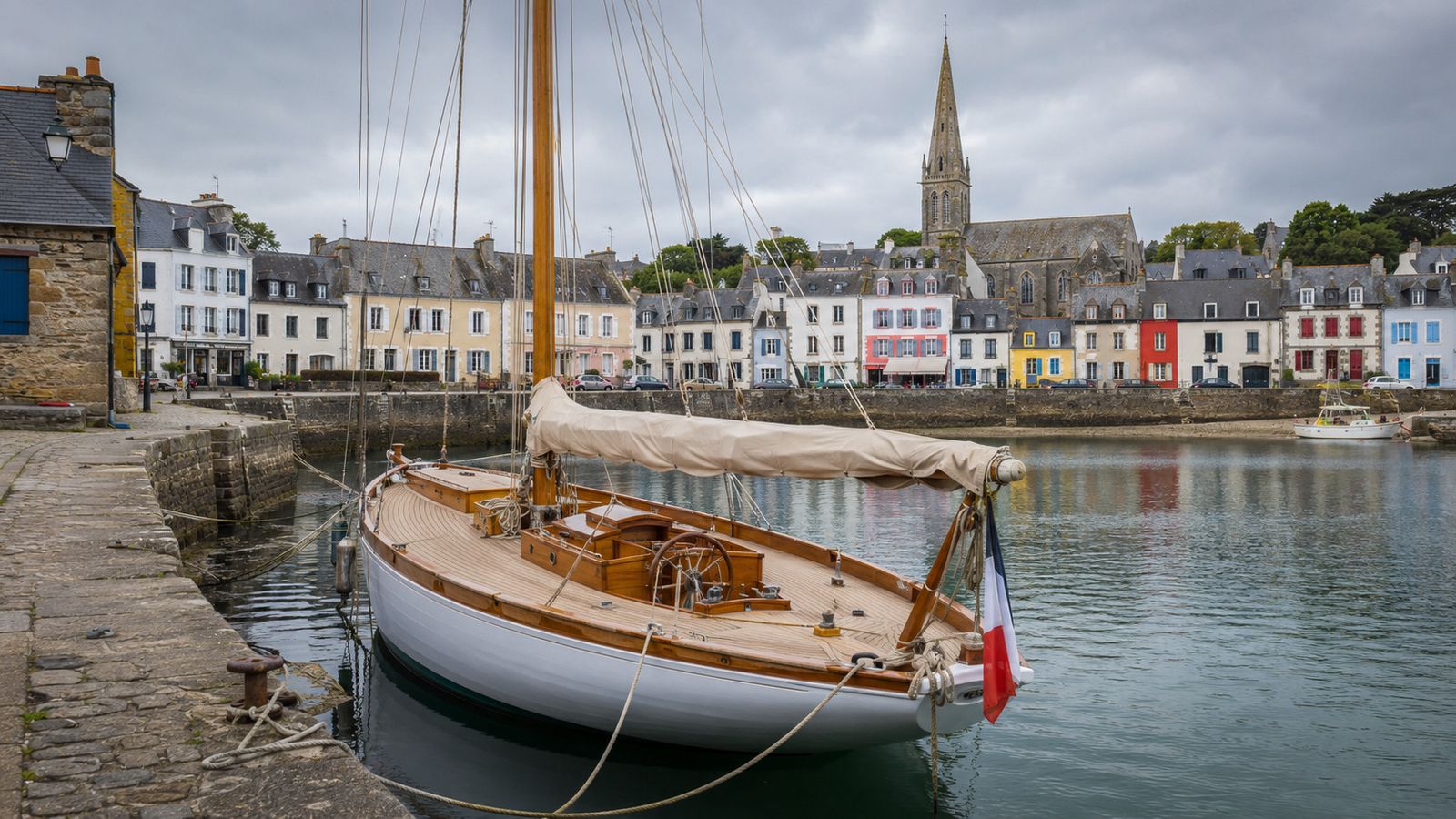
Brittany
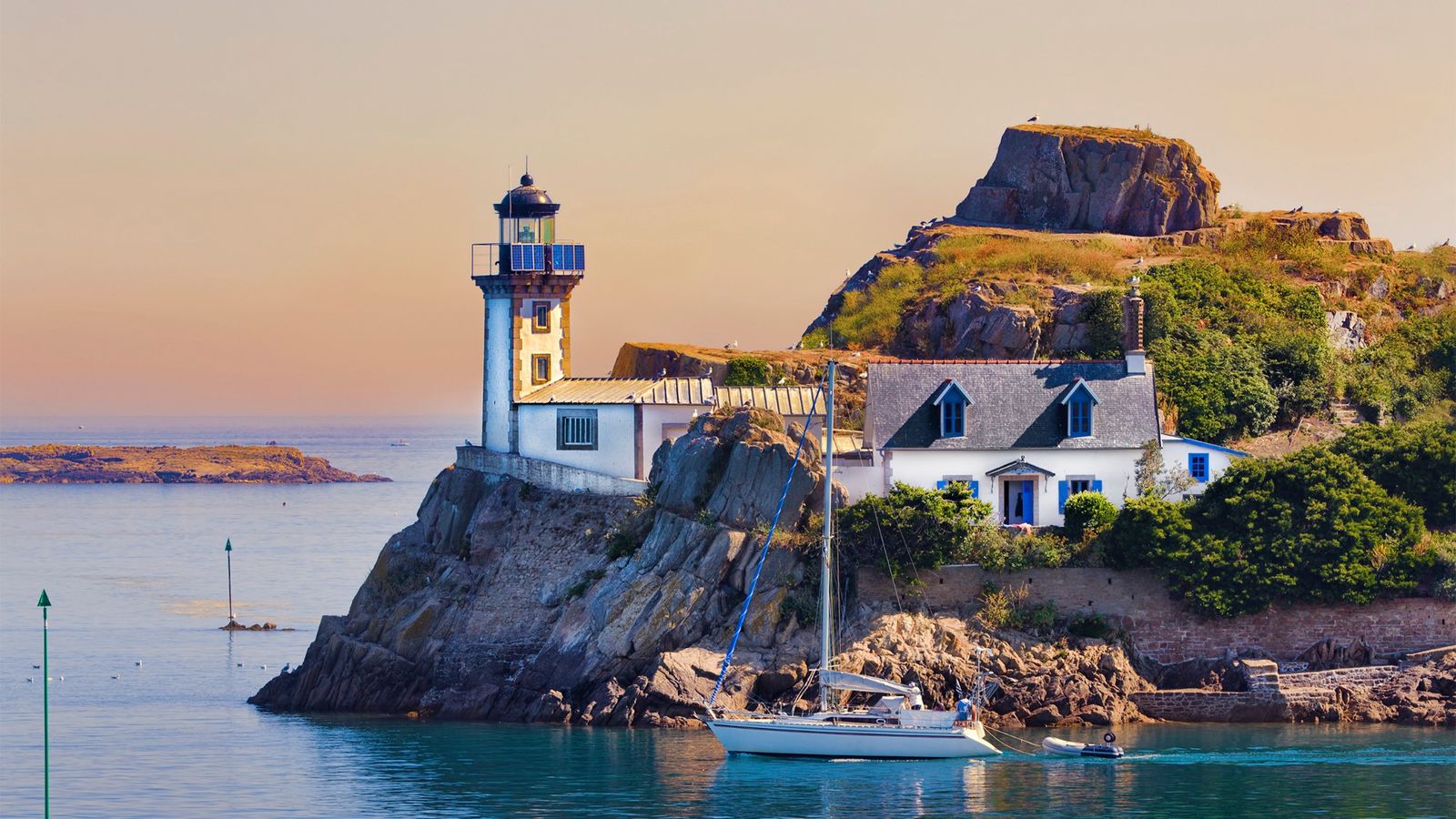
Brittany is France's wildest and most technically demanding sailing ground. The Atlantic coastline here is dramatic — granite headlands, powerful tidal streams, intricate archipelagos, and a network of sheltered estuaries. The Gulf of Morbihan alone, a near-enclosed inland sea near Vannes, is worth a charter all by itself. Sailors who thrive on navigational challenge will love threading through the islands off the Finistère coast or timing the tides around the Raz de Sein. Brittany is also the cultural heartland of French maritime tradition: fishing villages, crêperies, and cider houses are never far from your berth.
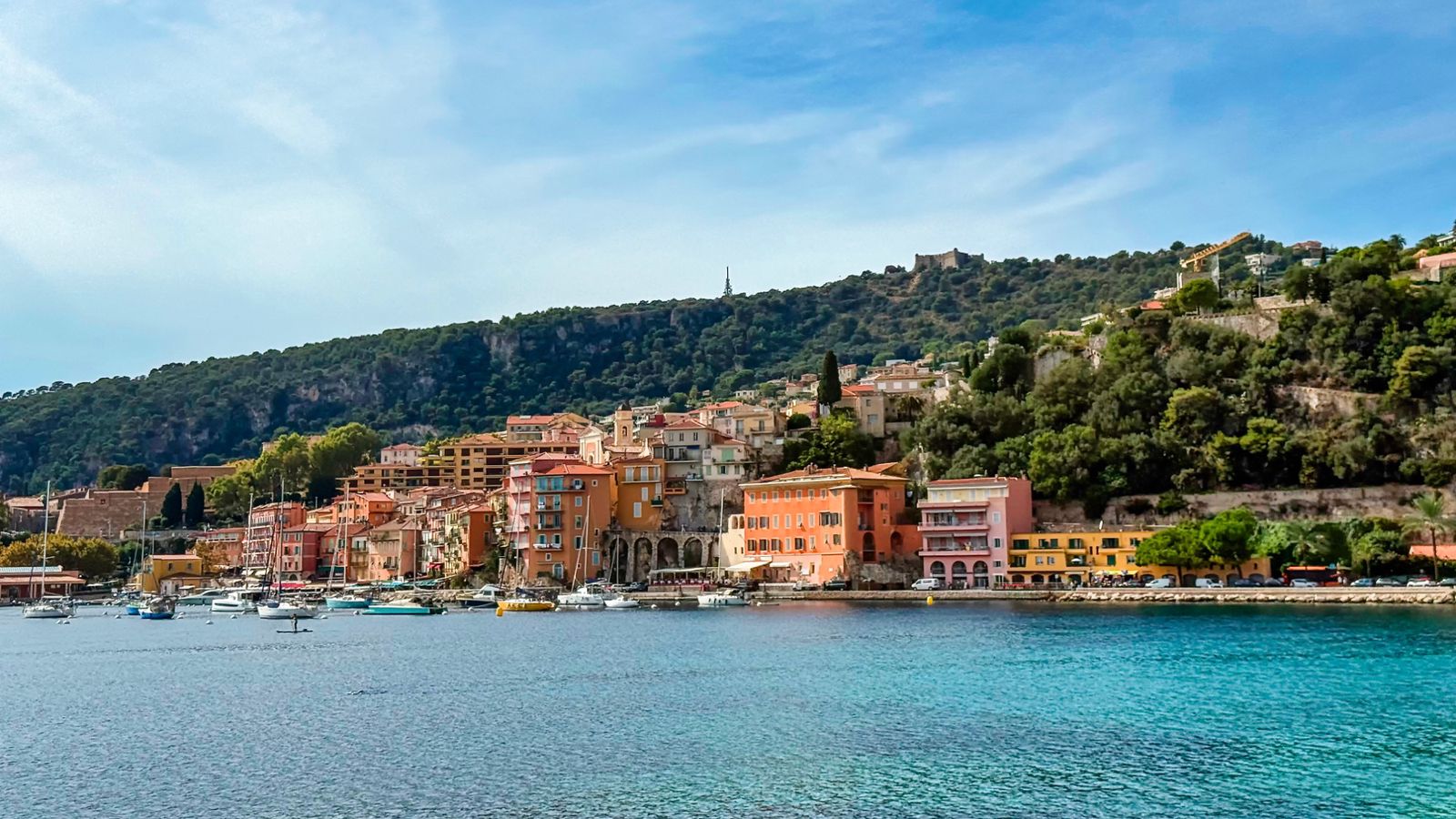
The French Riviera (Côte d'Azur)
The Côte d'Azur is France's most famous sailing playground, stretching from Toulon eastward to the Italian border. Cannes, Antibes, Nice, and Monaco are the headline ports, each offering a full spectrum of experiences from buzzing marinas to quiet anchorages just minutes offshore. The islands of Lérins, sitting just off Cannes, provide sheltered anchoring and a surprising sense of escape from the crowds. Sailing conditions here are generally gentle in summer, making this a popular choice for families and those new to sailing. France yacht charter businesses are densely concentrated in this region, giving you the widest selection of boats.
Corsica
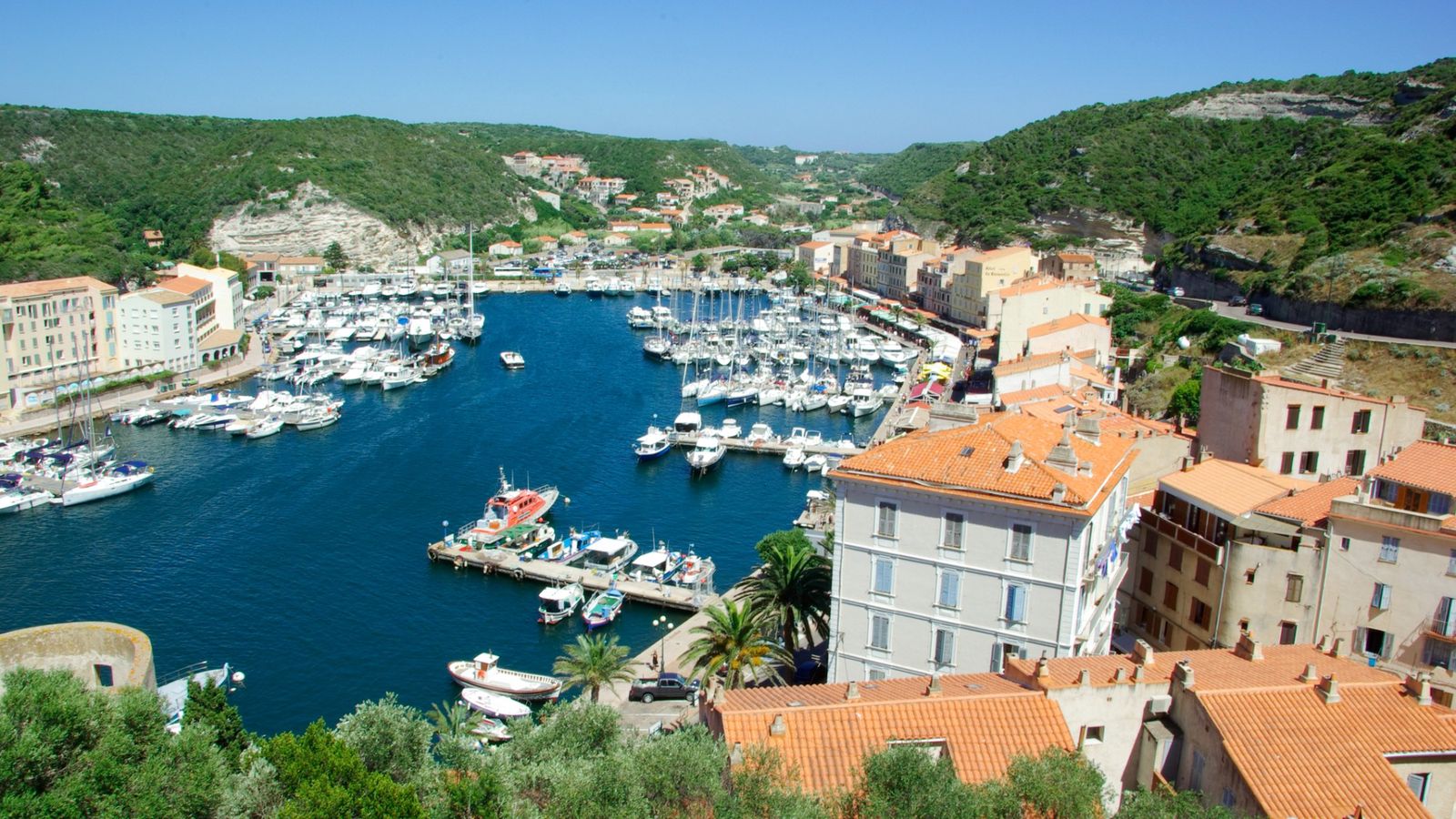
Corsica is the jewel of French sailing. The island's interior mountains drop sharply into the sea, creating a coastline of extraordinary beauty: hidden coves with white sand, sea caves, and crystal water ranging from turquoise to deep cobalt. The Strait of Bonifacio between Corsica and Sardinia deserves its reputation for fierce currents and gusts, but those willing to tackle it are rewarded with some of the finest scenery in the western Mediterranean. The island's sailing infrastructure has matured considerably, with well-run marinas at Ajaccio, Propriano, Bonifacio, and Bastia.
The Provence Coast and the Calanques
West of Toulon, the coastline between Marseille and Cassis is dominated by the Calanques — a series of vertiginous limestone inlets that plunge directly into the sea. Accessing the deepest calanques by boat, at dawn before the tourist boats arrive, is one of the great sailing experiences in France. The Hyères Islands (Porquerolles, Port-Cros, and Le Levant) lie just offshore and offer protected national park waters with excellent snorkeling and hiking.
The Atlantic Coast: Vendée and Charente
South of Brittany, the Vendée and Charente-Maritime offer a gentler Atlantic sailing experience. The sheltered Bassin d'Arcachon near Bordeaux, the Île de Ré, and the Île d'Oléron are popular family destinations with plenty of protected water, oyster shacks, and cycle paths. This area suits sailors who want Atlantic scenery without the tidal extremes of Brittany.
Weather and Best Time to Visit
The best time for a France yacht charter depends on which coast you plan to sail.
On the Mediterranean coast — the Riviera, Provence, and Corsica — the sailing season runs from May through October. July and August are peak months: reliable sunshine, warm water, and light to moderate breezes, though marinas fill up quickly and prices peak. June and September are arguably the sweet spot: settled weather, fewer crowds, and lower charter rates. The Mistral, a strong northerly wind that can blow for days at a time down the Rhône valley, is the primary weather hazard and deserves respect, particularly in the Gulf of Lion and around Corsica.
On the Atlantic coast — Brittany and the Vendée — the season is shorter. June through August offers the most reliable weather, though even in summer the Atlantic can deliver unsettled conditions. Brittany's tidal streams run strongest in spring, which suits experienced sailors looking for a challenge. Autumn passages can be spectacular but require solid seamanship and flexibility.
Costs Overview
France is a premium sailing destination, and charter prices reflect that. Below is a rough guide to what you can expect when budgeting for boat rental in France.
Bareboat charter (per week): A 38–42 ft sailboat in the Mediterranean high season typically ranges from €2,500 to €4,500 per week. Corsica and the Riviera sit at the top of that range. Brittany is often slightly lower. A larger 50+ ft yacht can easily exceed €7,000 per week.
Skippered and crewed charters: Adding a professional skipper typically adds €150–€300 per day. Fully crewed catamarans or gulets in the Riviera or Corsica range from €8,000 to €30,000 per week and beyond for luxury vessels.
Additional costs to factor in: marina fees (€30–€120 per night depending on size and location), fuel (diesel around €1.80–€2.10/litre), provisioning, the APA (Advance Provisioning Allowance) on crewed charters, and end-of-season cleaning fees. Corsica's national park buoys have their own daily fees during summer.
Budget tip: Booking in May, early June, or late September can cut charter rates by 25–35% compared to peak July/August prices.
Sample 7-Day Itinerary: Corsica Circumnavigation from Ajaccio
This itinerary is designed for a bareboat or skippered charter departing from Ajaccio and gives you a taste of Corsica's most spectacular anchorages. Distances are manageable and the route can be adapted based on weather and pace.
Day 1: Ajaccio to Propriano
Depart Ajaccio marina in the morning and sail south along the dramatic west coast. The coastline here alternates between red granite cliffs and pale sand beaches. Propriano is a well-equipped town with a lively waterfront. Arrive in the afternoon, settle into the marina, and explore the market and restaurants along the promenade. Distance: approximately 28 nautical miles.
Day 2: Propriano to Bonifacio
Today's leg takes you past the wild southern tip of Corsica. The Strait of Bonifacio can kick up short steep seas when the wind pipes up, so keep an eye on the forecast. Bonifacio itself is unmissable: the medieval citadel perches on brilliant white limestone cliffs above the sea, and the natural harbor below is one of the most dramatic in all of Europe. Anchor in the bay or take a berth in the marina. Distance: approximately 25 nautical miles.
Day 3: Bonifacio Exploration Day
Spend a rest day exploring Bonifacio on foot. Walk up through the old town, visit the fortifications, and take the dinghy to explore the sea caves and grottos along the base of the cliffs. In the afternoon, motor or sail east along the coast to anchor off one of the beaches of the Lavezzi Islands marine reserve — the water here is among the clearest in the Mediterranean.
Day 4: Bonifacio to Porto-Vecchio
A short hop north along the east coast brings you to Porto-Vecchio, a chic resort town with a large marina and a well-stocked chandlery. The gulf offers several anchorages worth exploring, including the Cala Rossa and the famous beaches of Palombaggia, which you can dinghy to from anchor. Stock up on provisions here before heading into more remote territory on the north coast. Distance: approximately 18 nautical miles.
Day 5: Porto-Vecchio to Solenzara and North
Continue up the east coast, a generally flatter and faster run, toward Solenzara and beyond. The east coast is less dramatic than the west but offers good sailing conditions when the Mistral is absent. Push north toward the Restonica or anchor off one of the river-mouth beaches for a swim before finding an anchorage for the night.
Day 6: East Coast to Porto
Cross to the west coast, rounding Cap Corse or transiting via the canal and roadsteads, and head for Porto — one of the most stunning stops on the entire island. The Gulf of Porto is a UNESCO World Heritage Site, surrounded by blood-red porphyry rock formations. Anchor in the gulf or take a berth at the tiny port and spend the evening beneath the Genoese watchtower as the cliffs glow in the sunset light.
Day 7: Porto to Ajaccio
The final leg south back to Ajaccio is a satisfying close to the loop. Hug the coastline and stop for a final swim in one of the coves south of Porto before entering Ajaccio in the afternoon. Return the boat, clear up, and spend the final night in the city — Ajaccio is Napoleon's birthplace and has excellent restaurants and a vibrant evening atmosphere. Distance: approximately 35 nautical miles.
5 Practical Tips for Chartering a Boat in France
1. Book Early for Peak Season
July and August charters in Corsica and the Riviera are routinely fully booked by March. If you have specific dates or want a particular boat type, aim to reserve at least four to six months in advance for summer. Shoulder season gives you more flexibility, but the most reputable charter companies still fill up fast.
2. Understand French Marina Culture
French marinas operate on a mix of pre-booked berths and arriéres (waiting for an attendant to direct you). In peak summer, calling ahead to busy marinas — especially in Corsica and the Riviera — is strongly recommended. Most have VHF radio on Channel 9 or 16. Anchoring restrictions in national park zones around Corsica and Port-Cros are strictly enforced; always check current regulations before dropping the hook.
3. Respect the Tides in Brittany
Brittany has some of the largest tidal ranges in Europe — up to 10 meters in parts of the Bay of Mont-Saint-Michel. This is not the place to navigate on autopilot. Buy a current Annuaire des Marées (tide table) before departure, plan your passages around tidal streams, and never underestimate the Atlantic. If you have limited tidal experience, book a skippered charter for at least the first few days.
4. Check Your Skipper License Requirements
France requires bareboat charterers to hold a recognized sailing qualification. Most charter companies accept the RYA Day Skipper or Coastal Skipper certificate, the ICC (International Certificate of Competence), or equivalent national licenses. Night sailing endorsements may be required for offshore passages. Always check with your charter company what documentation they need and carry it on board.
5. Provision Smartly — Markets Are Your Friend
One of the genuine joys of sailing in France is provisioning. Town markets — marchés — operate most mornings in port towns and offer fresh local produce, cheese, charcuterie, and seafood at prices well below supermarket chandlery. Stock the boat before leaving the main departure port, then top up at local markets as you go. In remote areas of Brittany and Corsica, options can be limited, so plan ahead for longer passages between towns.
Ready to Sail France?
Whether you are drawn to the raw, tidal challenge of Brittany's Atlantic shores, the sun-drenched glamour of the Côte d'Azur, or the breathtaking wildness of Corsica, France delivers a sailing experience that few destinations in the world can match. The infrastructure is excellent, the cuisine is reason enough to visit on its own, and the variety of sailing grounds means you can return year after year without repeating yourself. Start planning your France yacht charter today — the marinas are waiting.
Frequently asked questions
What sailing qualifications do I need to charter a boat in France?
A recognized sailing qualification such as the RYA Day Skipper, Coastal Skipper, or the ICC (International Certificate of Competence) is required for bareboat charters in France. You will also need to provide a logbook demonstrating relevant sea miles. If you do not hold a qualifying certificate, you can still charter by hiring a professional skipper, which adds roughly €150–€250 per day to the cost.
What is the best sailing area in France for a first-time charterer?
Corsica is the top choice for most first-time charterers visiting France, thanks to its dramatic scenery, clear turquoise water, and well-sheltered anchorages. The southern circuit from Ajaccio or Porto-Vecchio combines stunning sailing with easy navigation and excellent provisioning stops. The Hyères Islands on the French Riviera are another excellent option for beginners, offering protected waters, beautiful beaches, and very good marina facilities.
When is the best time of year to charter a boat in France?
The best months to charter a boat in France are June and September. Both months offer warm temperatures, reliable winds, lower prices compared to peak summer, and significantly fewer crowds in marinas and anchorages. July and August are the most popular and most expensive, but also the most settled in terms of weather. On the Atlantic coast, May is also an excellent option.
How much does it cost to rent a boat in France for a week?
A bareboat sailing yacht (35–42 ft) in France costs roughly €1,200–€2,200 per week in the shoulder season and €2,500–€4,500 per week in July and August. Catamarans are typically 30–50% more expensive than comparable monohulls. You should also budget for marina fees (€50–€200+ per night on the Riviera and in Corsica), provisioning (around €50–€100 per person per week), fuel, and a refundable security deposit of €1,500–€5,000.
How difficult is sailing in the Strait of Bonifacio between Corsica and Sardinia?
The Strait of Bonifacio between Corsica and Sardinia is the most challenging and exciting sailing passage in France. It is known for strong, gusty winds driven by the Tramontane and Mistral, fast-running currents, and short, steep seas. It is entirely manageable for competent sailors but should not be underestimated: always check the forecast before attempting the crossing and avoid it in strong wind conditions.
Can you sail from Corsica to Sardinia on a French charter?
Yes, sailing from Corsica to Sardinia is a popular and straightforward crossing of around 12–20 nautical miles depending on your departure point. The most common route is from Bonifacio in southern Corsica to Santa Teresa di Gallura in northern Sardinia. Most French charter companies permit this crossing, but you must confirm with your charter company in advance as some agreements restrict sailing outside French waters.
What is the best time of year to charter a boat in France?
For most sailors, June and September offer the best combination of favorable conditions and value. July and August bring reliable sunshine and warm water across the Mediterranean coast and Corsica, but marinas are crowded and charter rates peak. On the Atlantic coast in Brittany, the window is narrower — June through August is most reliable, though settled weather is never guaranteed.
What sailing license do I need to charter a bareboat in France?
You will typically need a recognized sailing qualification such as the RYA Day Skipper or Coastal Skipper certificate, the ICC (International Certificate of Competence), or an equivalent national license. Some charter companies may also require a night sailing endorsement for offshore passages. Always confirm the exact documentation requirements with your charter company before booking.
How much does it cost to rent a boat in France for a week?
A bareboat sailboat in France typically costs between €2,500 and €4,500 per week for a 38–42 ft boat during high season, with Corsica and the French Riviera at the higher end. Budget for additional costs including marina fees (€30–€120 per night), fuel, provisioning, and any cleaning or damage deposit fees. Booking in May, early June, or September can reduce rates by 25–35%.
What are the main weather risks when sailing in France?
The Mistral is the primary weather hazard on France's Mediterranean coast — a strong, cold northerly wind that can blow at gale force for two to three days at a time, particularly in the Gulf of Lion and around Corsica. In Brittany, Atlantic depressions and powerful tidal streams are the main challenges. Sailors should monitor weather forecasts closely and always have a contingency plan.
Which is the best sailing region in France for scenery?
Corsica is widely considered the most scenic sailing destination in France, offering dramatic mountain-backed coastlines, hidden coves with crystal-clear water, and the spectacular setting of Bonifacio on its white limestone cliffs. The French Riviera and its offshore islands are close behind for those who prefer a livelier, more cosmopolitan atmosphere. Both areas are top choices for a France yacht charter.
How far in advance should I book a yacht charter in France?
Most charter companies accept bookings six to twelve months in advance, and for July and August in Corsica or the Riviera, booking four to six months ahead is strongly recommended. The most popular boat types — catamarans, larger monohulls — sell out first. Shoulder season charters in May, June, or September offer more last-minute availability.


