Sailing the Grenadines: Routes, Tips & What to Expect
Updated
The Grenadines stretch 100 nautical miles from St. Vincent to Grenada, offering consistent trade winds, world-class snorkeling at the Tobago Cays, and an unhurried island culture that the BVI can't match. This complete sailing guide covers conditions, a 7-day itinerary, key stops, mooring tips, and realistic costs.
On this page

If the British Virgin Islands are the polished, sun-kissed gateway drug of Caribbean sailing, the Grenadines are the real thing — raw, wind-swept, and achingly beautiful. Stretching roughly 100 nautical miles from St. Vincent in the north to Grenada in the south, this chain of volcanic islands, coral reefs, and sandbars represents what many seasoned blue-water sailors consider the most spectacular sailing ground in the entire Caribbean. Maybe in the world.
The Grenadines don't try to impress you. There are no mega-resorts dominating the shoreline, no floating cocktail bars tethered to every anchorage, and no CVS on the corner when you need sunscreen. What there is — in breathtaking abundance — is everything that made you want to go sailing in the first place: consistent trade winds, translucent water ranging from turquoise to sapphire, anchorages framed by volcanic peaks, and an unhurried island culture that will reset your nervous system in about 48 hours.
What Makes the Grenadines Unique?
The comparison to the BVI is inevitable and instructive. The BVI offers convenience: US dollars, English everywhere, short passages, well-stocked marina bars, and an infrastructure built almost entirely around charter sailing. It's an excellent place to learn the ropes and a genuinely lovely destination. But it's also busy, predictable, and curated.
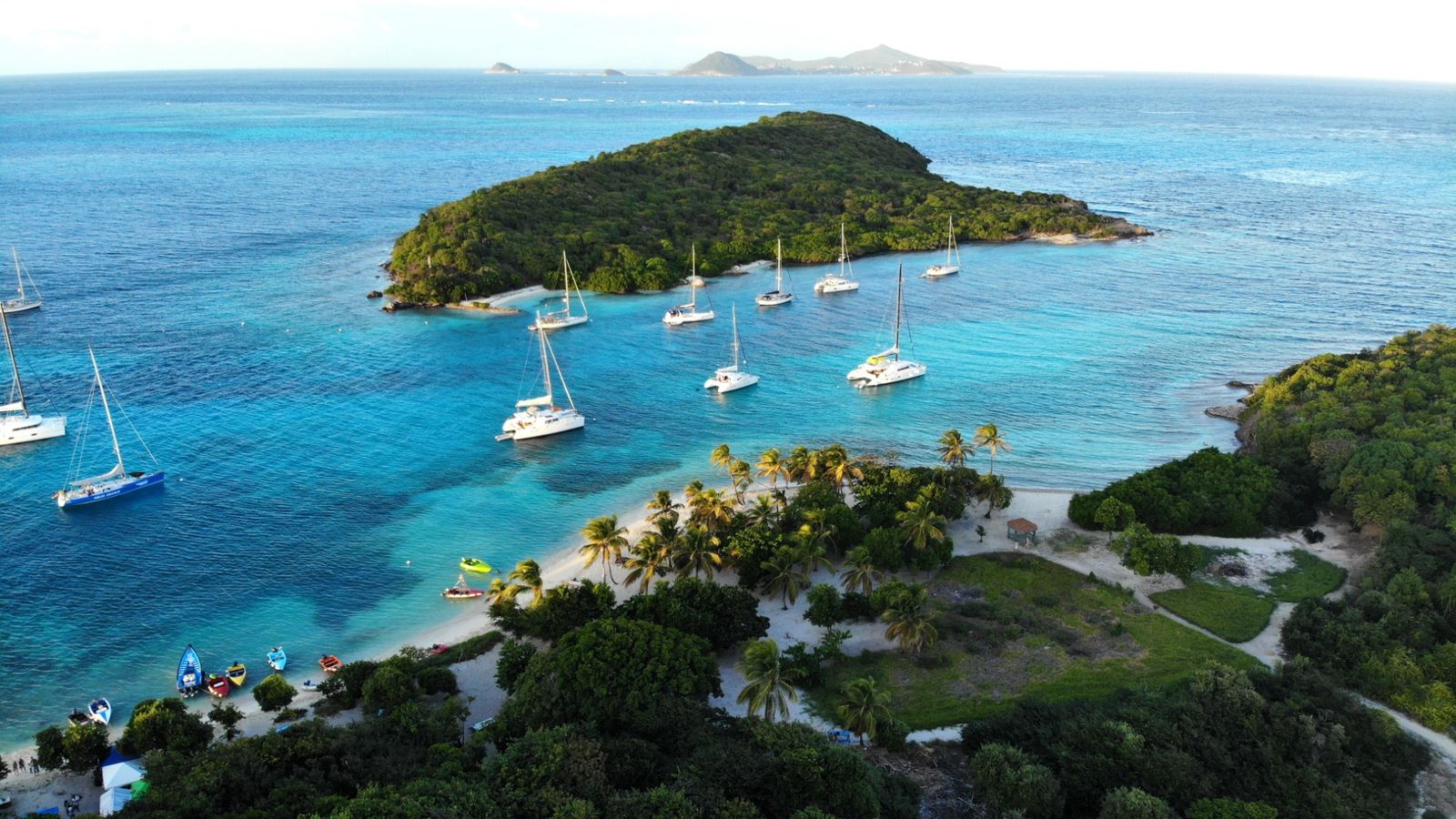
The Grenadines offer something different — a sense of discovery. Each island in this chain has its own personality, its own economy, its own ecosystem. Bequia is the boatbuilder's island, where wooden vessels are still hand-crafted using techniques passed down through generations. Mustique is a private playground for royalty and rock stars that somehow still manages to feel quietly magical rather than ostentatious. Mayreau is a tiny hilltop village where you half-expect a goat to wander into your dinner. And the Tobago Cays — a protected marine park with five uninhabited islands encircled by the Horseshoe Reef — may be the single most beautiful anchorage on Earth.
Beyond the scenery, what distinguishes the Grenadines is the texture of the sailing itself. Passages between islands are real sailing — sometimes vigorous, always engaging. You'll be working with ocean swells, Atlantic trade winds, and genuine decision-making. This is not a place where you motor between cocktail stops (though you absolutely can cocktail-stop). It's a place where you feel the boat move beneath you and remember why you fell in love with this sport.
Sailing Conditions: Wind, Swell & Difficulty
Trade Wind Sailing at Its Best
The Grenadines sit in the heart of the trade wind belt. From December through June — the prime sailing season — you can expect reliable ENE to ESE winds in the 15–25 knot range. The passages are predominantly oriented north-to-south, which means sailing south is typically a fast, downwind or beam reach romp, while sailing north means beating back into the trades. Most charter itineraries are therefore structured to work southward, ending in Grenada or Union Island, with boats repositioned by the charter companies.
Wind: 15–25 knots ENE/ESE (trade season). July–November winds can be lighter and more variable; this is also hurricane season, and most charter operations reduce activity significantly or close entirely.
Seas: Ocean swell 1–3 meters on exposed passages. The islands provide good wind shadow in their lee, but between islands you'll encounter the full Atlantic fetch. Passages like Bequia to Mustique or the approach to Grenada can be lumpy and exhilarating.
Current: North-setting current of 1–2 knots is common. This works in your favor heading north but adds leeway going south.
How Difficult Is It?
The Grenadines are intermediate-level sailing territory. They are not ideal for absolute first-timers sailing independently. The passages between islands involve real ocean conditions, navigation around reefs and shallows requires attention and chart accuracy (paper charts are a good backup — GPS waypoints alone are not sufficient here), and anchorages like the Tobago Cays demand confident anchoring in a busy, protected environment.
That said, the Grenadines are completely manageable for sailors with basic offshore experience, and the rewards for making the leap are immense. Many people hire a skipper or take a flotilla for their first trip, then return independently once they've learned the rhythms of the islands. Chartered catamarans — wide, stable, and comfortable — are overwhelmingly popular here and make conditions considerably more forgiving for less experienced crews.
Best for: Sailors with at least one offshore passage under their belts, or anyone willing to hire a local skipper. Absolute beginners would benefit enormously from a crewed charter on their first visit.
[Image: A sailboat close-hauled in 20-knot trade winds between two green volcanic islands in the Grenadines, spray visible at the bow, deep blue Atlantic Ocean, dramatic cloudy sky with bright sun patches]
Suggested 7-Day Grenadines Itinerary
This route departs from Kingstown, St. Vincent and ends in Grenada — the classic southbound trade-wind itinerary. It covers approximately 100 nautical miles of sailing over 7 days, with the option to linger longer in your favorite spots.
Day 1: Kingstown, St. Vincent → Bequia (9 nautical miles)
After provisioning in Kingstown — stock up here, as provisioning becomes progressively more expensive and limited as you head south — depart for Bequia across the Bequia Channel. This 9-mile crossing is one of the choppiest passages in the chain, with a healthy ocean swell funneling through the gap. It's a great shake-down sail: everyone finds their sea legs and figures out where the seasickness tablets are.
Arrive in Admiralty Bay, Bequia's gorgeous main harbor, and take a mooring or anchor in the southern portion of the bay. The holding is excellent in sand. Check in with customs and immigration at the Port Elizabeth jetty — St. Vincent and the Grenadines (SVG) is one nation, so you only check in once if you're staying within SVG waters. Spend the afternoon exploring Port Elizabeth: the Frangipani Hotel bar is an institution, the Old Hegg Turtle Sanctuary is genuinely moving, and the boatyards building traditional Bequia vessels are a living museum.
Evening: Sundowners at Frangipani, dinner at one of the beachside restaurants in town. Sleeping in Admiralty Bay with the trade winds rocking you gently is one of the great pleasures of Caribbean cruising.
Day 2: Bequia — Full Exploration Day
Don't rush Bequia. It's the most well-rounded island in the chain — beautiful enough to warrant a full extra day, with facilities good enough to make it practical. Rent a car or take a bus over the hill to the windward coast, where the surf crashes against volcanic black sand beaches. The Spring Bay area is lovely and usually deserted. Back in the bay, dinghy over to the Princess Margaret Beach anchorage for snorkeling and a beach rum punch.
Alternatively, if you arrived feeling green from the channel, use Day 2 as a rest and recovery day. The boat going nowhere while you read in the cockpit is not failure — it's the point.
Day 3: Bequia → Mustique (8 nautical miles)
Depart mid-morning for the short sail to Mustique. The passage is pleasant and quick. Mustique is privately owned and managed by the Mustique Company — the island has maintained an extraordinary balance between exclusivity and a certain laid-back openness to visiting sailors. You must anchor or take a mooring in Britannia Bay; going ashore requires checking in with the Mustique Company office on the beach (there is a modest visitor fee).
Ashore, Basil's Bar is absolutely obligatory. Basil's has hosted Mick Jagger, David Bowie, Princess Margaret, and what feels like every interesting person of the last 50 years. It's a beach bar on stilts over the water, and the Wednesday night Jump Up parties are legendary. Have the lobster if they have it. Have another rum punch whether they have it or not. Wander the beautifully maintained island roads and admire the extraordinary private villas hidden behind the vegetation.
The snorkeling off the southern beaches is excellent. An afternoon walk to the village on the hill reveals the other Mustique — the local community that actually lives and works here, a refreshing reminder that this isn't just a theme park.
Day 4: Mustique → Canouan (16 nautical miles) or Mayreau (22 nautical miles)
This is one of the longer days of sailing on the itinerary and one of the most satisfying. Heading south from Mustique, you'll have the trades on your beam or slightly behind, and a properly set-up boat will reel off miles with minimal effort. Canouan has a small but well-equipped marina at the north end and a large resort complex (Carenage Bay) that somewhat divides opinion — the private beach restrictions around the resort are a point of friction — but the anchorage is beautiful and the hillside views are extraordinary.
If you're feeling strong and the conditions allow, push on another 6 miles to Mayreau, anchoring at Saline Bay. Mayreau has no airport, fewer than 300 residents, one hilltop village with a small church overlooking both the Atlantic and Caribbean simultaneously, and some of the most untouched beaches in the Grenadines. It's the Grenadines distilled to their essence. Salt Whistle Bay on Mayreau's northern tip is a palm-fringed perfection of an anchorage, though it gets busy in high season.
Day 5: Tobago Cays (3–4 nautical miles from Mayreau)
This is the day everyone will talk about for the rest of their lives.
The Tobago Cays Marine Park encompasses five uninhabited islands — Petit Bateau, Baradal, Petit Tabac, Jamesby, and Horseshoe — encircled by the dramatic Horseshoe Reef, one of the healthiest coral formations in the eastern Caribbean. Entry to the park costs approximately EC$30 per person per day (roughly US$11) and is worth every penny. Anchoring is strictly regulated to protect the seabed; follow the park rangers' instructions for mooring placement.
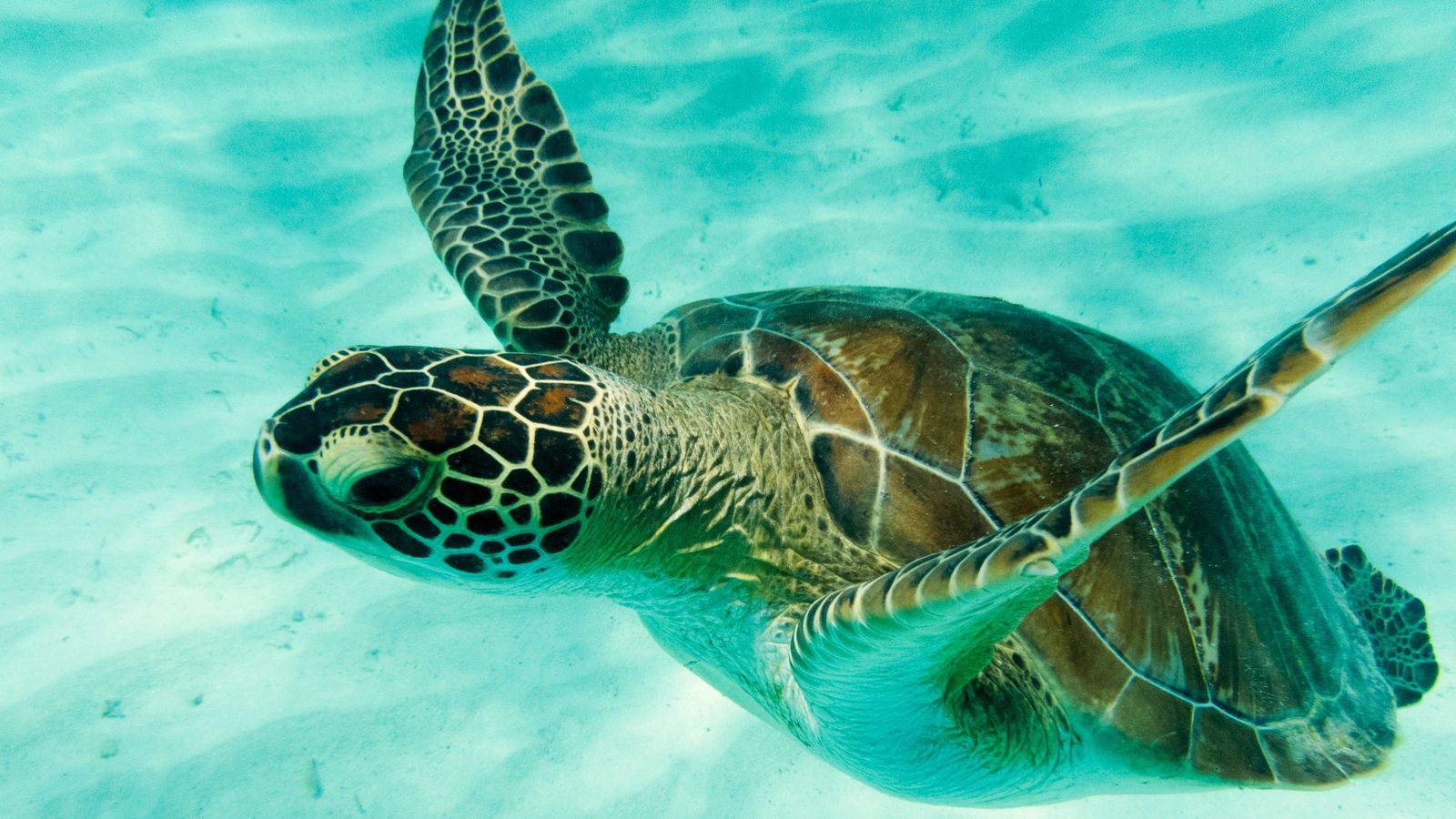
The snorkeling here is genuinely world-class. The turtle nesting area off Baradal is home to a thriving population of hawksbill and green sea turtles who have absolutely no interest in being afraid of you. You will snorkel alongside turtles, which will not acknowledge your presence, and this will be the highlight of your year. The coral gardens on the Horseshoe Reef are spectacular — visibility 30+ meters is not unusual.
Spend the full day here. Swim, snorkel, take the dinghy to the outer islands, have a BBQ on the beach (local vendors will sell you freshly caught lobster and fish to grill), and watch the sun set over one of the most beautiful anchorages on the planet.
Day 6: Union Island → Carriacou, Grenada (22 nautical miles south)
Depart the Tobago Cays early for the short hop to Union Island, where Clifton Harbour serves as the main clearance point if you're crossing into Grenadian waters. Union Island has a lively, slightly rough-edged character — it's a working island with a busy fishing fleet — and Clifton is a good place to top up provisions, get fuel, and enjoy a cold Hairoun beer at the harbor bar. Check out of SVG and into Grenada here.
From Union Island, cross the Kick 'Em Jenny Bank (named for the active submarine volcano beneath — yes, this is a real thing) to Carriacou, the largest of Grenada's dependencies. Hillsborough is the main town: easygoing, friendly, with a small museum worth visiting for context on the island's boat-building heritage. Tyrrel Bay on the southwest coast is one of the best hurricane holes in the Caribbean and an excellent anchorage — calm, well-protected, and surrounded by mangroves.
Day 7: Carriacou → St. George's, Grenada (35 nautical miles)
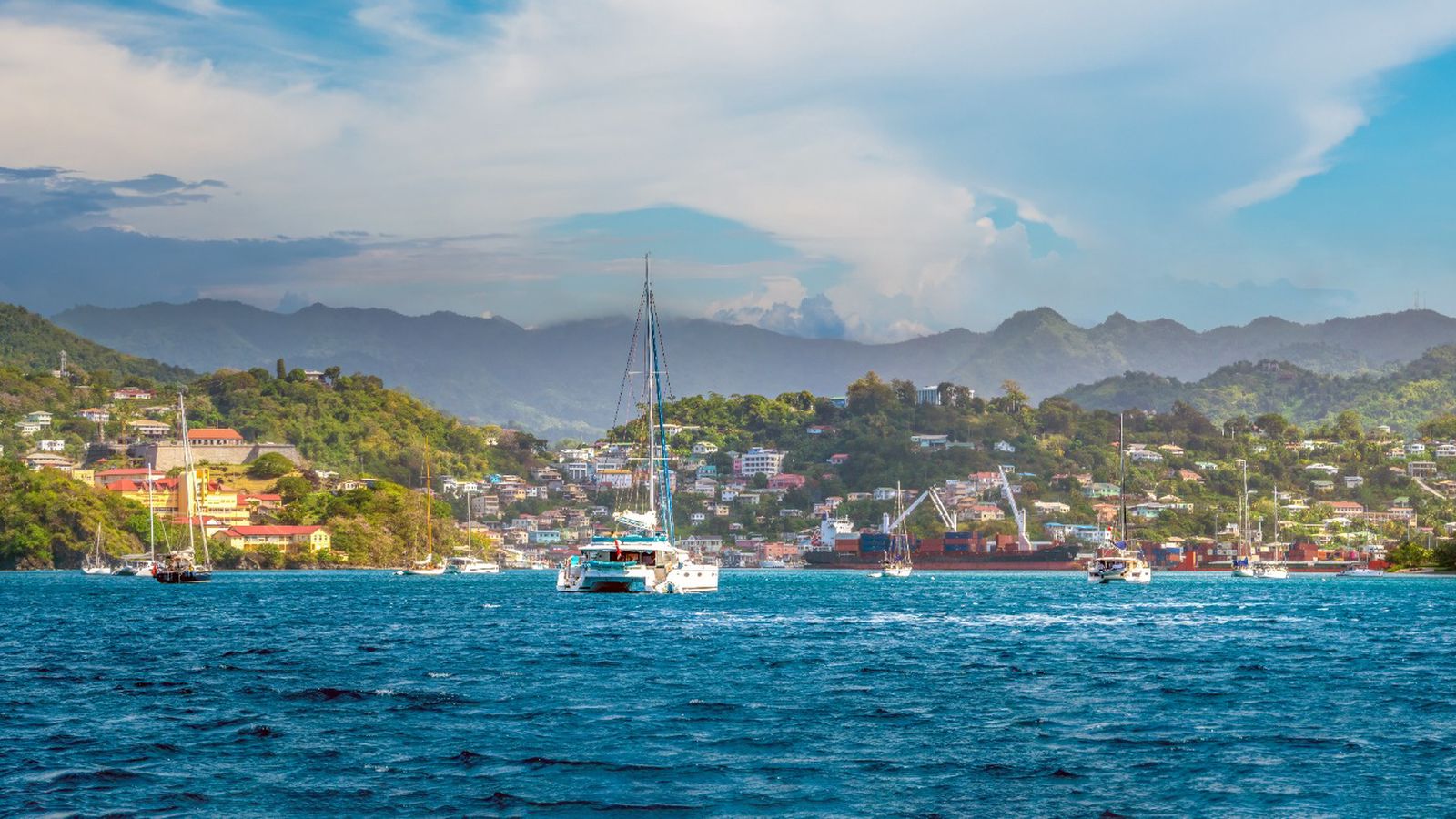
The final passage south to Grenada's capital is the longest of the trip and potentially the most dramatic — a broad reach across open water with the volcanic peaks of Grenada growing on the horizon. St. George's is one of the most beautiful harbors in the Caribbean: a horseshoe of Georgian architecture, French colonial churches, and brightly painted buildings tumbling down to a working harbor busy with fishing boats and inter-island schooners.
Anchor in the Lagoon or take a berth at Port Louis Marina. Spend your final evening exploring the town — the Fish Friday street festival in Gouyave (about 45 minutes by taxi) is extraordinary if your timing works out, or simply settle into a restaurant on the Carenage and eat the most crayfish and callaloo you can manage before flying home tomorrow.
Key Stops: Deep Dives
1. Bequia — The Sailor's Island
Population ~5,000. The largest island in the Grenadines after St. Vincent, and arguably the most complete destination: good provisioning, excellent restaurants, maritime history, authentic Vincentian culture, and some of the best anchorage in the chain. Admiralty Bay is large enough to never feel overcrowded and well-protected in the prevailing trades. Don't miss the Bequia Bookshop — a tiny, impeccably curated bookshop that serves as an unlikely community hub and reminder that proper books and proper sailing go together.
2. Mustique — More Than a Myth
The mythology can overshadow the reality, but the reality is genuinely extraordinary. Mustique is immaculate — beautifully maintained roads, manicured vegetation, no litter, no noise. The 100 or so private villas range from tastefully understated to architecturally extravagant (David Bowie's house, designed by a Japanese artist, is a local landmark). For visiting sailors, Basil's Bar and the beach walks are the highlights. The absence of motorbikes and the extraordinary silence of the island at night are things you'll remember long after you've forgotten the price of the rum punch.
3. Mayreau — The Grenadines in Miniature
Mayreau is what happens when an island has so few resources that it simply remains itself. The hilltop church of St. Catherine, reached by a steep path from Saline Bay, has a view of both the Atlantic and Caribbean simultaneously that belongs on every sailing bucket list. The village below the church has one bar, one or two restaurants serving home-cooked food, and an atmosphere of relaxed self-sufficiency that is increasingly rare anywhere in the world. Come here if you want to remember why you didn't just book a hotel in Barbados.
4. Tobago Cays — The Crown Jewel
Already described above, but worth reiterating: of all the places this itinerary passes through, the Tobago Cays is the one that will fundamentally alter your understanding of what a beautiful place can be. The marine park protections are working — the reef is healthier than many comparable sites in the Caribbean, the turtle population is thriving, and the sense of pristine natural abundance is extraordinary. Respect the park regulations. Don't anchor on coral. Don't feed the turtles. Pay the park fee without grumbling. This place deserves your very best behavior.
5. Carriacou — The Undiscovered Gem
Most Grenadines itineraries treat Carriacou as a pass-through on the way to Grenada. Don't make that mistake. Tyrrel Bay is a genuinely wonderful anchorage — peaceful, mangrove-scented, well-provisioned — and the island has a culture and history distinct from both SVG to the north and Grenada to the south. The Carriacou Museum in Hillsborough houses a remarkable collection of pre-Columbian artifacts, and the boat-building tradition here — including the annual Big Drum Festival, an extraordinary celebration of African heritage — makes it one of the most culturally rich small islands in the Caribbean. The local Carib beer is also exceptional.
Mooring and Marina Tips
Tobago Cays: Moorings are managed by park rangers. Do not anchor on the reef or in designated mooring zones. Rangers are on the water from early morning and are helpful, not adversarial. Arrive early for the best mooring positions.
Bequia (Admiralty Bay): A mix of private moorings and anchoring space. The southern end of the bay near Princess Margaret Beach is generally less crowded. Mooring boys (small boat operators) will approach offering moorings — vet the mooring condition before committing, or anchor in 5–10m sand.
Mustique (Britannia Bay): Moorings managed by the Mustique Company. The holding when anchoring can be inconsistent over weed and sand — set your anchor carefully and back down hard.
Clifton, Union Island: Busy, sometimes chaotic. Approach slowly and patiently. Mooring balls are available. The channel into Clifton is well-marked but the outer reef demands attention in swells.
Port Louis Marina, Grenada: Modern, full-service marina in St. George's Lagoon. Good security, fuel, water, laundry, and a solid chandlery. Book ahead in peak season (January–April). Prickly Bay Marina on the south coast is another popular option for end-of-charter turnarounds.
General: Use Navionics or iNavX with current charts, but always cross-reference with cruising guides — Chris Doyle's Sailor's Guide to the Windward Islands is the definitive resource and worth carrying in printed form.
Cost Expectations
The Grenadines are not cheap, particularly if you're chartering a boat. Here's a realistic breakdown:
Charter Costs
Bareboat monohull (40–45ft): US$2,500–$4,500/week depending on season and company. High season (January–April) commands top prices.
Bareboat catamaran (42–48ft): US$4,000–$8,000/week. Catamarans are increasingly dominant in the Grenadines due to their comfort in ocean swells and shallow draft advantages.
Crewed charter (50ft+): US$8,000–$20,000+/week, plus expenses (food, fuel, dockage, tip). A skilled local skipper on a smaller boat can often be hired for US$150–$200/day.
On the Water
Provisioning (7 days, 4 people): US$400–$700. Stock up in Kingstown or Bequia — prices rise sharply further south.
Fuel: US$1.20–$1.80/liter. Budget US$100–$200 for a week of mixed sailing and motoring.
Park fees (Tobago Cays): ~US$11/person/day. Worth every cent.
Mooring fees: US$15–$30/night where charged.
Customs/immigration: Nominal fees for check-in/check-out, usually US$30–$50 total.
Eating and Drinking
Restaurant dinner (per person): US$20–$60 depending on venue. Mustique is expensive; local restaurants in Mayreau or Carriacou are very reasonable.
Local Hairoun or Carib beer: EC$5–8 (US$2–3) at a local bar. Add a zero for Basil's on Mustique.
Lobster BBQ, Tobago Cays: US$25–$40. Non-negotiable. Eat the lobster.
Overall Budget
For a group of four sharing a bareboat catamaran in mid-season, expect to spend roughly US$1,500–$2,500 per person for the week including charter share, provisioning, dining out 4–5 evenings, fees, and incidentals. Budget more if you're eating at every restaurant and tipping generously (which you should). Budget less if you cook aboard most nights and stay anchored over moorings.
Insider Tips
Tip 1: Sail South, Deadhead North
Structure your itinerary to sail predominantly southward with the trade winds. Beating north from Grenada to Bequia against 20 knots and 2-meter swells is an unpleasant slog that experienced sailors do sometimes, but you almost certainly don't need to. Charter companies have one-way charters available (pick up in Bequia or St. Vincent, drop off in Grenada or Carriacou) that are increasingly popular precisely because they make nautical sense. Book early — one-way charters fill up fast in peak season.
Tip 2: Arrive at Tobago Cays Before 10am
The Tobago Cays gets busy. By noon in high season, the best mooring positions are taken and the anchorage can feel crowded. Leave Mayreau or wherever you're coming from at dawn, grab a mooring early, and you'll have the reef virtually to yourself for morning snorkeling before the day-charter boats arrive from Union Island. Early morning light on the reef is also spectacularly beautiful. Your alarm is set. Trust us.
Tip 3: Talk to the Locals — Really Talk to Them
The Grenadines have been a sailing destination long enough that some local communities have developed a transactional relationship with visiting sailors: mooring boys, vendors, and tour operators can seem pushy at first approach. Push through the transaction and find the conversation underneath. Ask a mooring boy in Bequia about the boat-building yards. Ask the lobster vendor in Tobago Cays where he's from. The people of these islands — Vincentian, Grenadian, with deep African, French, and British roots — have stories and perspectives that will enrich your week far more than any anchorage guide can. Be generous with your time and your tips.
Final Word
People return to the Grenadines. This is the thing about it. You meet sailors at the Frangipani bar on Bequia who are on their fourth trip, their seventh, their tenth. Some of them have been coming for 30 years. They are not chasing perfection — they found it, and they keep coming back to make sure it's still there.
It usually is. The chain is less developed than the BVI, less curated, less convenient, and wildly, irreversibly more beautiful. If you've been putting this trip off while you sail safer, easier waters — stop putting it off. Point the boat south. Let the trade winds do what they've been doing for centuries. The Tobago Cays will be there when you arrive, the turtles won't care that you're new, and Basil's will pour you something cold.
Welcome to the most beautiful sailing ground in the Caribbean. Mind the reef on the way in.


