How to Find a Sailing Holiday as a Single Traveller
Updated
Sailing holidays as a single traveller are entirely possible — and often brilliant. From cabin charters and solo-focused operators to flotilla skippering and crew-finding platforms, here's how to find the right option for your experience and goals.
On this page

Sailing holidays are often marketed as a couple's retreat or a group adventure, but what if you're going solo? The good news is that the sailing world is genuinely welcoming to single travellers — you just need to know where to look and which option fits what you actually want from the trip.
Before you start searching, ask yourself one important question: Do you want to learn to sail, sharpen your existing skills, or simply get out on the water and enjoy the experience hands-on? Your answer will shape which route makes the most sense for you.
Option 1: Cabin Charter — The Easiest Entry Point
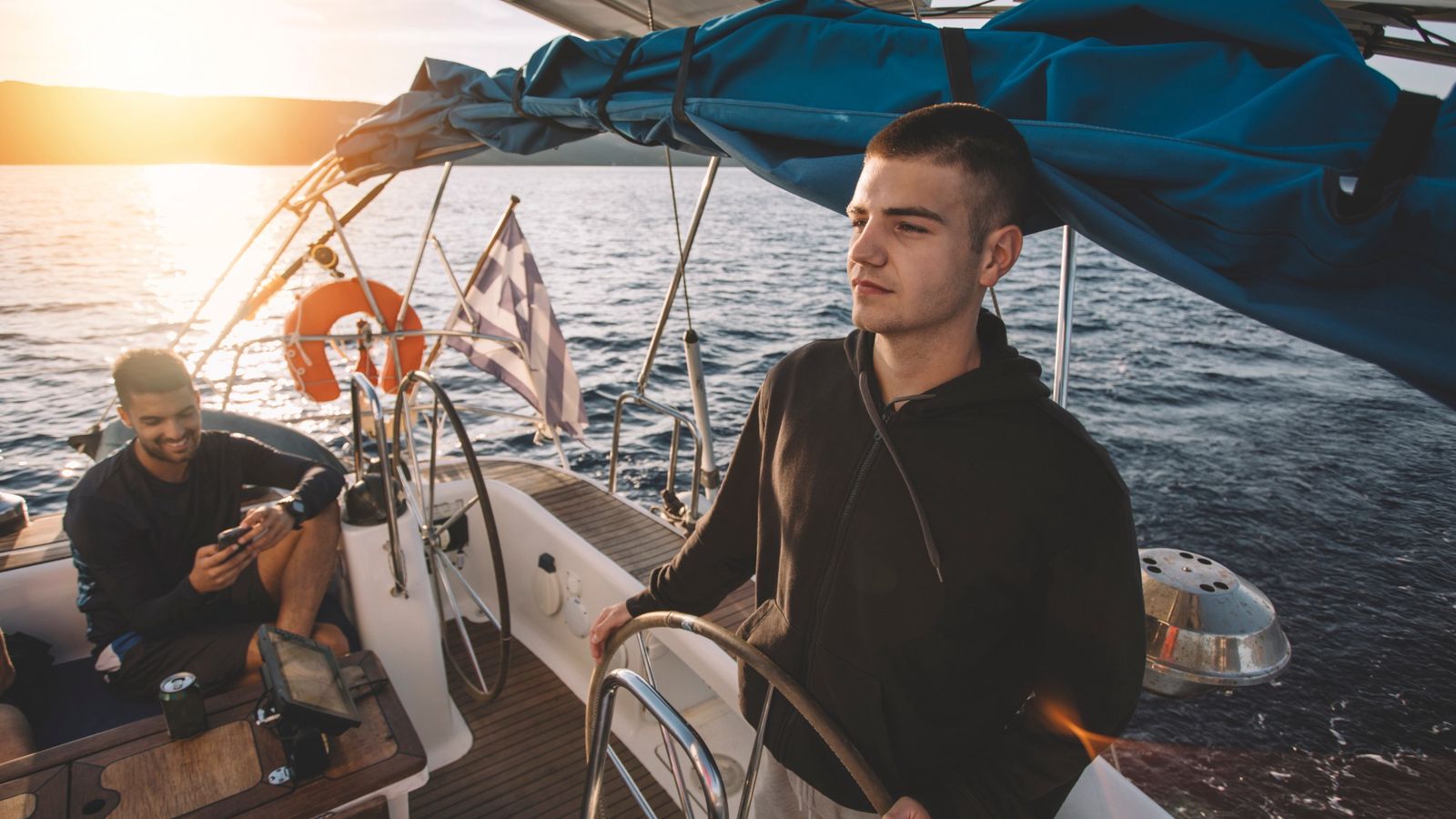
A cabin charter means you book a single berth aboard a yacht that already has a skipper and a small crew of other guests. Think of it like booking a cabin on a guided sailing trip rather than chartering the whole boat yourself.
This is the most accessible option for single sailors at any experience level. You don't need a licence, you don't need sailing experience, and you're not responsible for finding a crew. The skipper handles navigation and boat management while you enjoy the sailing, help with deck work as much or as little as you like, and socialise with the other guests.
Pros
No sailing experience required
Social atmosphere built in — you'll meet people immediately
No single supplement to worry about; you're paying for a berth
Great for first-timers who want to experience sailing before committing to a course
Cons
Less control over the itinerary
You're sharing close quarters with strangers
Limited opportunity to take the helm or build real skills unless the operator specifically encourages participation
Who it suits
Perfect if you're new to sailing, curious about the lifestyle, or simply want a relaxed, sociable holiday afloat without the responsibility of skippering or crewing.
Option 2: Operators That Specialise in Solo Travellers
Some sailing holiday operators have built their entire model around single travellers. A good example is Rubicon 3, which runs skippered expeditions to destinations like Scotland, Norway, and the Atlantic Islands, and explicitly caters to solo adventurers. Because most guests book alone, you won't feel out of place, and the group dynamic tends to be genuinely collaborative.
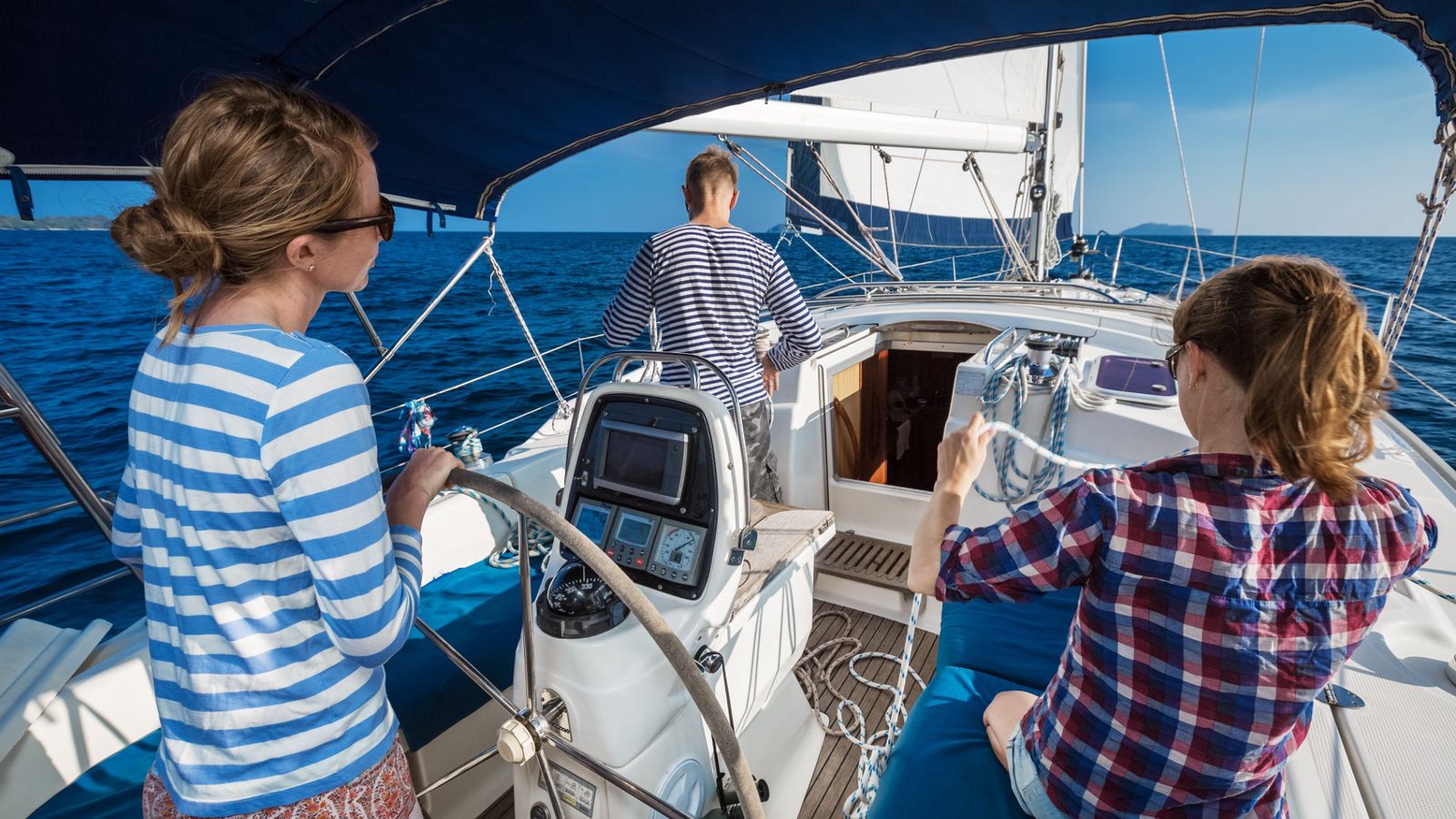
These specialist operators often blend the social elements of a cabin charter with a more active, skills-focused experience. You're expected to participate in sailing the boat, which makes them a strong choice if you want to build real confidence on the water.
Pros
No awkward single-supplement pricing
Guests are all in the same situation — easy to connect
Often sail to more adventurous, off-the-beaten-track destinations
Active participation usually encouraged or required
Cons
Fewer operators of this type, so destination choices may be limited
Higher cost than booking a berth through a mainstream charter agency
Option 3: Bareboat Charter in a Flotilla
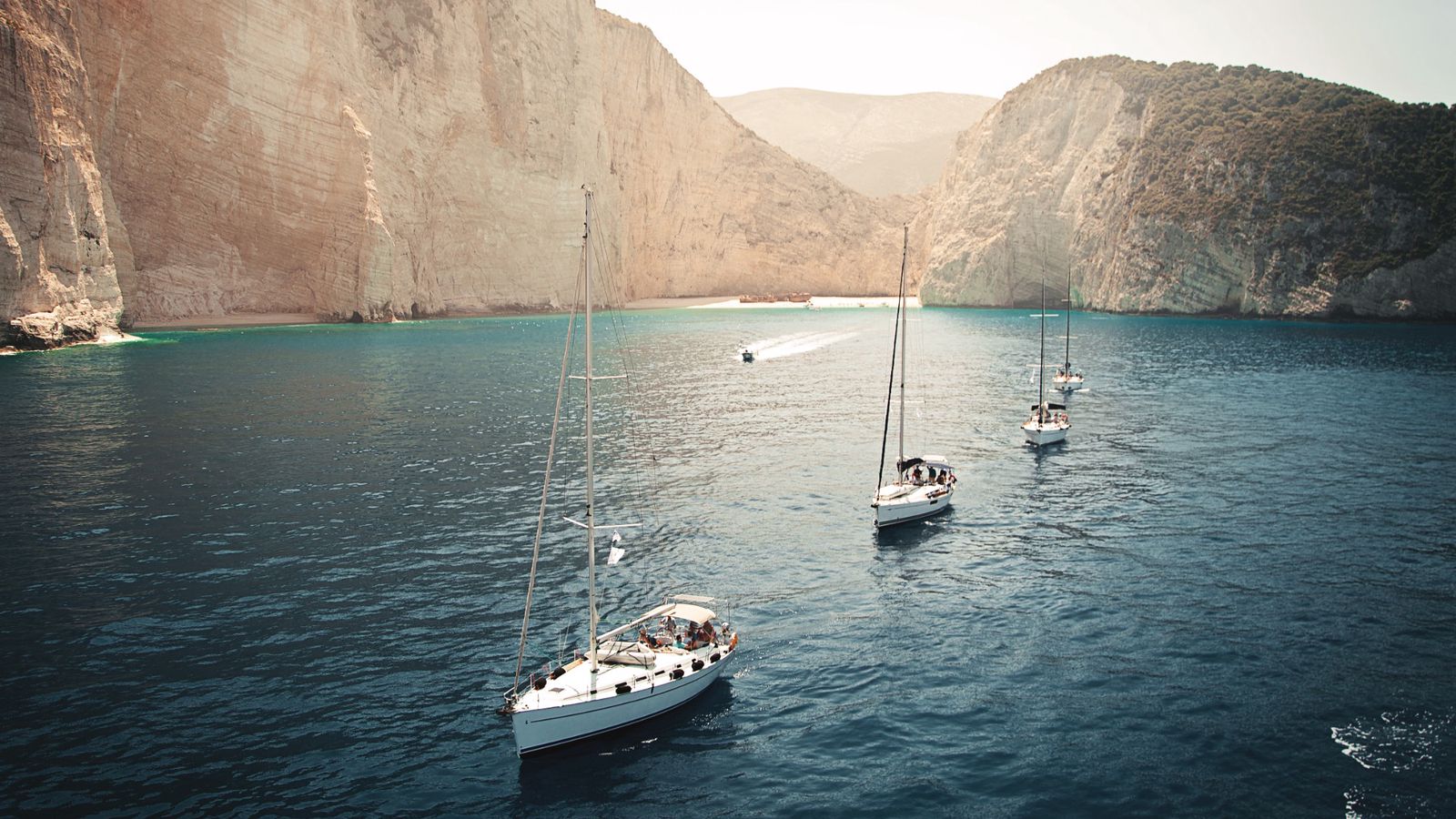
If you hold a sailing qualification — typically a Day Skipper certificate or equivalent, with a reasonable number of sea miles — you can charter your own yacht and join a flotilla. A flotilla is a group of independently skippered yachts sailing together along a set route, with a lead boat providing daily briefings, local knowledge, and support if anything goes wrong.
The appeal here is significant freedom. You choose your own pace, make your own decisions on board, and still have the social structure of a fleet around you. Evening harbour meet-ups with other crews are a staple of the flotilla experience, which means you're unlikely to feel isolated despite being on your own boat.
The challenge as a solo sailor is finding a crew. You'll need at least one or two other people aboard for safety and practicality, especially if you're sailing coastal routes with complex anchorages or overnight passages. This is where crew-finding platforms come in.
Finding Crew for Your Flotilla Charter
Several dedicated platforms exist specifically to connect skippers with crew and vice versa:
Crewseekers — one of the longest-established platforms in the UK, with a large user base of both leisure and passage crew
Crewbay — international reach, popular for longer passages and bluewater sailing
FindaCrew — strong global community, good for finding people interested in specific routes or regions
Post clearly: include your destination, dates, what experience you expect from crew, and whether it's a shared-costs arrangement or a more social, leisure-focused trip. Be upfront about your own experience level too — it builds trust and attracts the right people.
Pros
Maximum freedom and independence afloat
Flotilla support reduces the risk of sailing alone in an unfamiliar area
Social structure naturally built into the flotilla format
Ideal for sailors who want to develop real skippering experience
Cons
Requires a qualification and sufficient sea miles
Finding and vetting crew takes time and care
Single solo charter costs can be high — splitting with crew helps significantly
Option 4: Join Someone Else's Boat as Crew
If you have some sailing experience but don't want the responsibility of skippering — or you simply want to explore a new destination without the cost of chartering your own yacht — joining an existing crew is an excellent option.
The same platforms mentioned above work in reverse here. Create a crew profile on Crewseekers, Crewbay, or FindaCrew and reach out to skippers who are looking for an extra hand. Be honest about your experience level. Many skippers are delighted to have an enthusiastic and capable crew member, even if you're still developing your skills.
This route is particularly well suited to sailors who have completed a course, have their logbook entries building up, and want to accumulate sea miles on real passages — which also counts toward higher qualifications like Coastal Skipper or Yachtmaster.
What to include in your crew profile
Your sailing experience and any qualifications
Sea miles logged and types of boat you've sailed
The regions or seasons you're available for
What you're hoping to get from the experience — skills, miles, adventure, or all three
A short, honest personal description — skippers want to know who they're inviting aboard
Which Option Is Right for You?
Here's a simple way to think about it:
Complete beginner, want to try sailing: Cabin charter or a specialist operator like Rubicon 3
Some experience, want to build skills and meet people: Specialist solo sailing operator or join a crew via Crewseekers, Crewbay, or FindaCrew
Qualified skipper with sea miles: Bareboat charter in a flotilla, or skipper a flotilla boat — use crew platforms to find your team
Qualified but want to sail without skippering: Join another skipper's boat through a crew platform
Practical Tips for Solo Sailing Holidays
Be honest about your experience. Whether you're looking for crew or applying to join a boat, overstating your skills leads to uncomfortable situations on the water. Most sailing communities are incredibly supportive of people who are upfront about where they are in their journey.
Start a conversation before you commit. When connecting through crew platforms, have a proper call or video chat before agreeing to anything. You'll be sharing a small boat for days — compatibility matters.
Check the flotilla's support level. Some flotillas offer more hands-on lead-boat support than others. If you're relatively new to skippering, look for operators with a strong reputation for looking after less experienced sailors.
Book early for single berths. Cabin charters and specialist solo operators often have limited single berths, and popular sailing seasons fill up fast. Spring and autumn can be a better time to find availability.
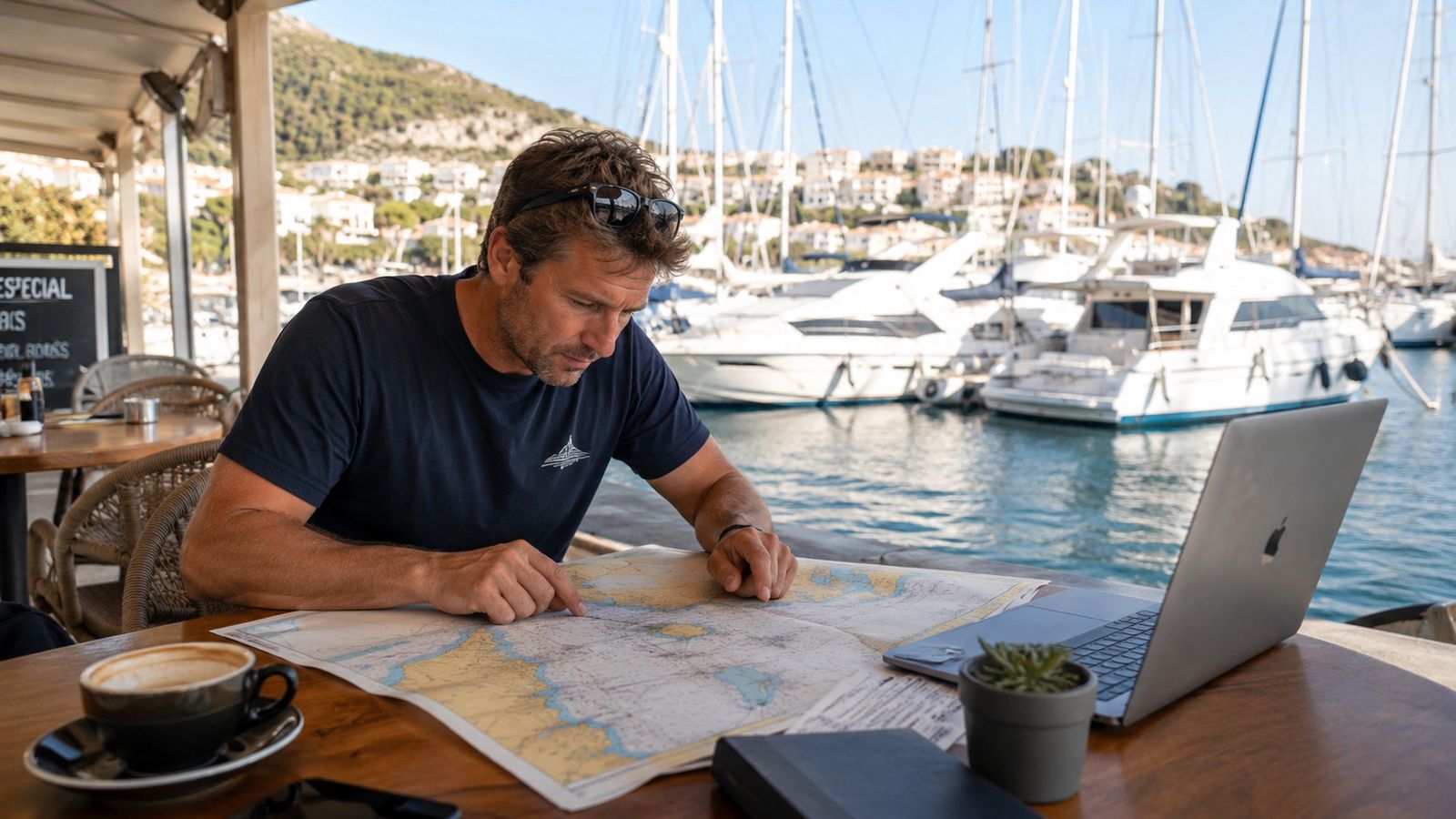
Think about destination as well as format. The Greek Islands, Croatia, and the Cyclades are classic flotilla waters. If you want something more remote and adventurous, specialist operators often go to places like Scotland's west coast, the Azores, or Scandinavia.
Summary
Sailing solo doesn't mean sailing alone. The options available to single travellers have never been better, from cabin charters and specialist operators that welcome solos by design, to flotilla skippering and crew-sharing platforms that connect sailors from all over the world.
The key is matching the format to your actual goals. If you want to learn or simply enjoy the water, cabin charter and solo-focused operators are your starting point. If you're qualified and ready to skipper or crew on proper passages, a flotilla charter or a crew platform opens up a huge range of adventures. Either way, the sailing community is a welcoming one — and the single-berth experience is often one people go back to again and again.


