Sailing the Dubrovnik & Elaphiti Islands: Routes, Tips & What to Expect
Updated
The waters around Dubrovnik and the Elaphiti Islands offer everything a sailing week should be — ancient stone villages, hidden bays, and a reliable summer breeze to push you between them. This is how to make the most of it.
On this page

Few sailing grounds in the Mediterranean can match the sheer drama of the waters around Dubrovnik. Ancient walled cities, emerald islands scattered like stepping stones across an impossibly blue Adriatic, and a steady summer breeze that makes every passage feel effortless — this corner of Croatia's Dalmatian coast has earned its reputation as one of Europe's premier sailing destinations.
The Elaphiti Islands — a small archipelago just northwest of Dubrovnik — are the jewel in this particular crown. Largely car-free, sparsely populated, and dotted with stone villages that haven't changed much in centuries, the Elaphitis offer the kind of slow, anchored-in-a-quiet-bay sailing that keeps people coming back year after year. Add the UNESCO-listed city of Dubrovnik as your base and you have a sailing week that balances genuine adventure with world-class culture.
What Makes This Area Unique
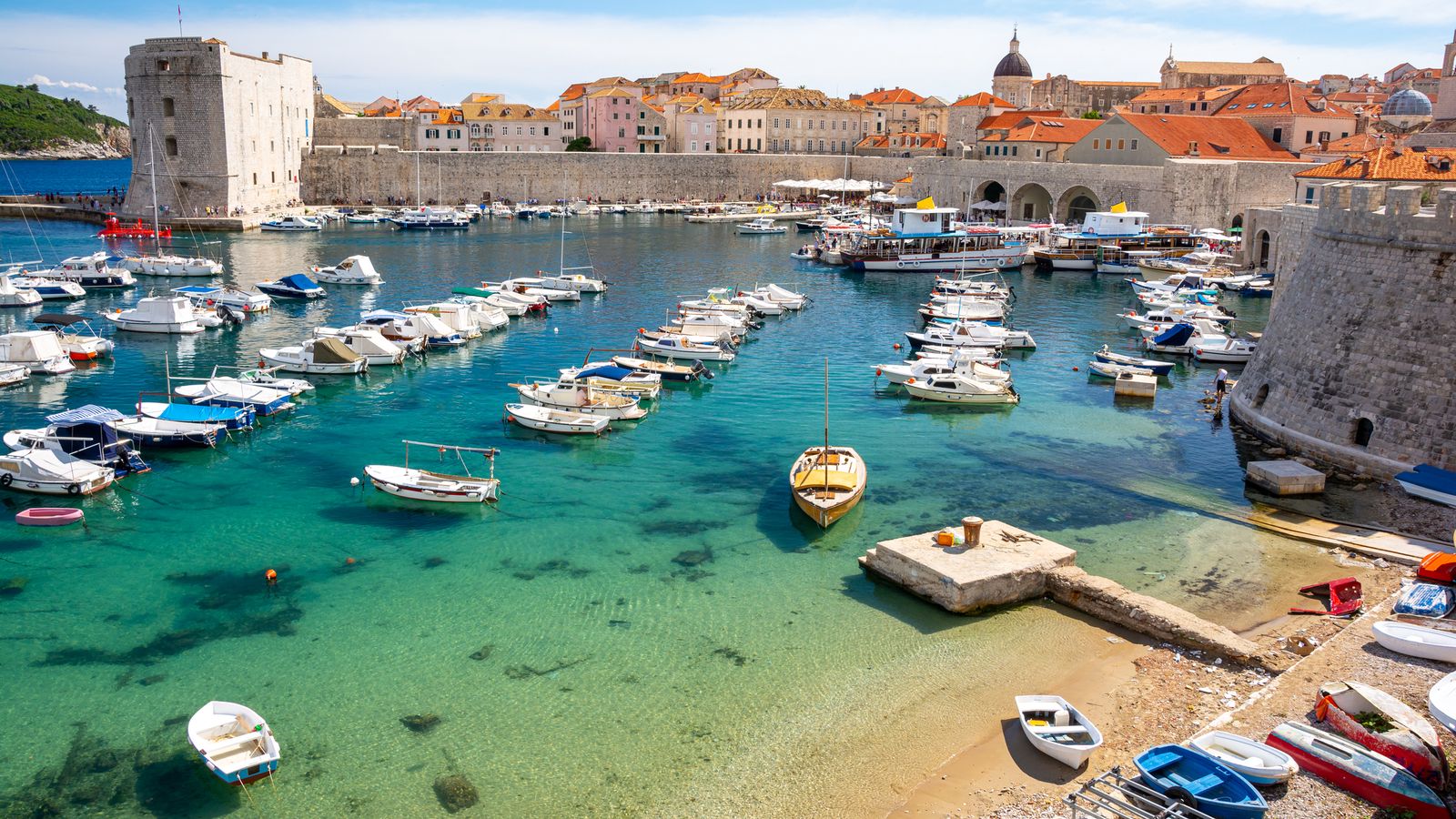
The Dubrovnik and Elaphiti sailing area sits at the southern tip of the Dalmatian coast, and it feels distinctly different from the busier island chains further north around Split or Šibenik. The Elaphiti group — Koločep, Lopud, and Šipan — are the three permanently inhabited islands, but there are also smaller uninhabited outcrops and anchorages that reward sailors willing to explore. The region's relative compactness means you can cover real ground each day without ever feeling rushed.
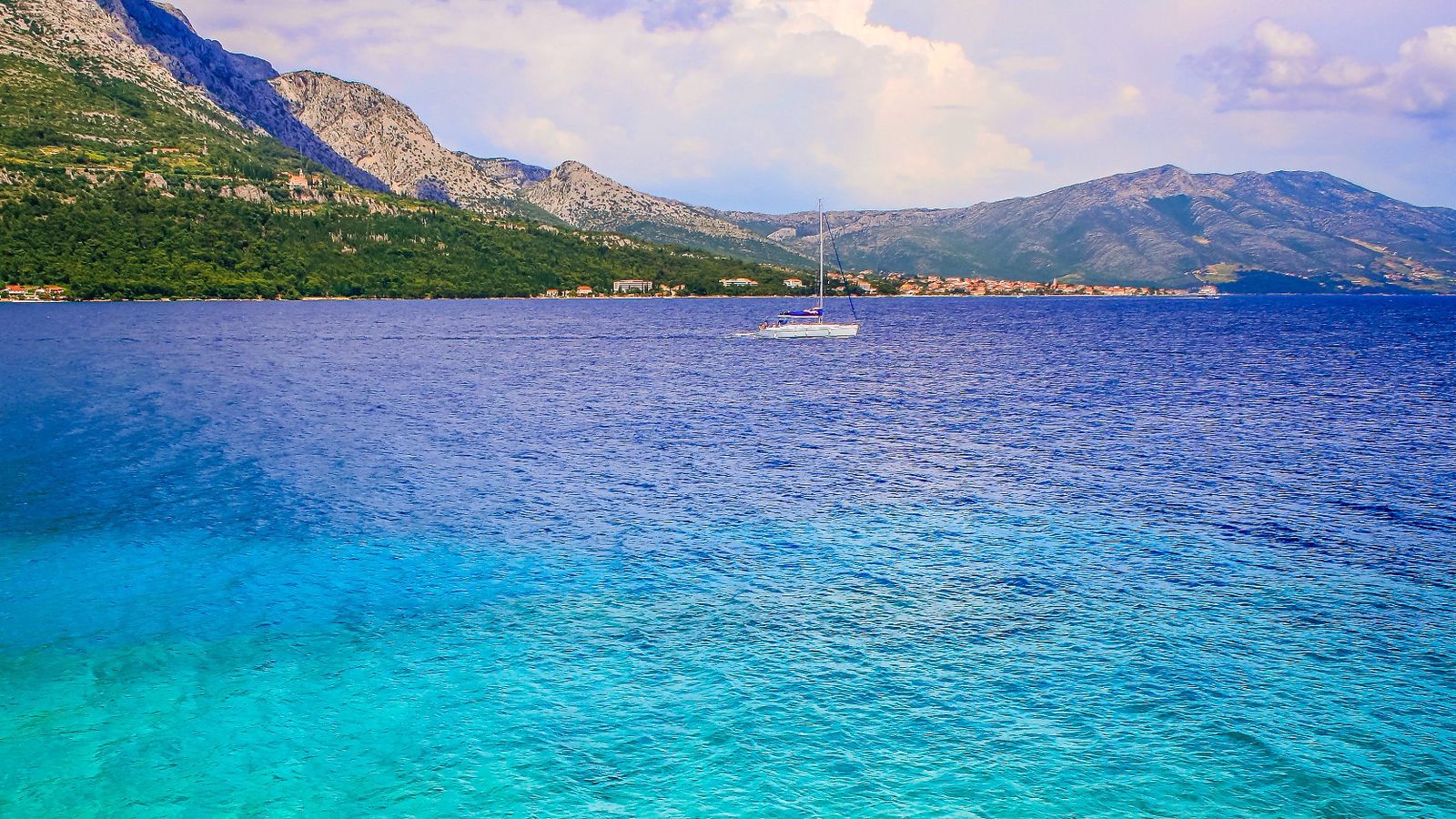
What truly sets this area apart is the contrast. You can spend a morning anchored in a silent bay where the only sounds are cicadas and the creak of your own rigging, then motor into Dubrovnik's Gruž harbor by mid-afternoon and walk the city walls before dinner. The peninsula of Pelješac and the island of Mljet — both reachable on a slightly extended itinerary — add further variety, including dense national park forests and some of the clearest water on the Adriatic coast.
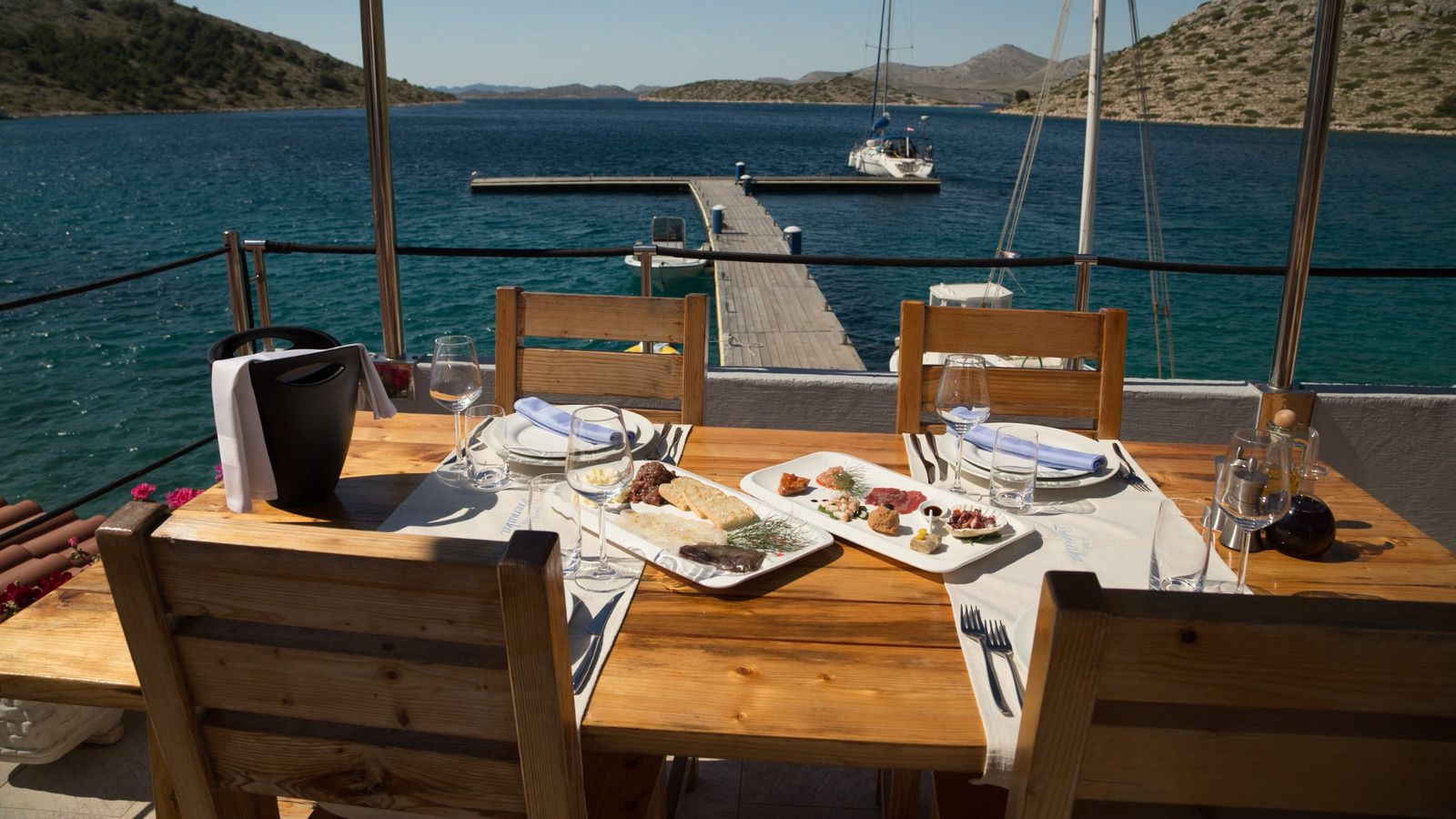
Croatia's sailing infrastructure is excellent throughout Dalmatia, but the Dubrovnik region has a particularly well-developed network of marinas, mooring buoys, and konoba restaurants that either hang over the water or sit right on the quay. Provisioning is easy, the locals are welcoming to sailors, and the ferry connections mean crew changes are manageable if needed.
Sailing Conditions
The Adriatic has its own microclimate quirks, and the southern Dalmatian coast around Dubrovnik is no exception. The predominant summer wind is the maestral (mistral), a reliable northwesterly sea breeze that typically builds through the morning, peaks in the early afternoon at around 10–18 knots, and eases off by evening. This makes for comfortable daytime sailing and calm, flat nights at anchor — an ideal rhythm for a week-long charter.
The other wind you need to know is the bura (bora), a powerful and gusty katabatic wind that blows from the northeast, funneling down through mountain passes. The bura is most common in winter and spring but can occasionally appear in summer. It arrives quickly and can be fierce, so keeping an eye on forecasts is important. Fortunately, in high summer (July and August), bura events are relatively rare and short-lived.
The jugo (sirocco) is a warm southeasterly that builds slowly and can bring swell and grey skies. It tends to be more of a concern in shoulder season than in the peak of summer. When it does blow in summer, it rarely lasts more than a day or two before the maestral reasserts itself.
Overall, July and August offer the most settled conditions, but they also bring the most boat traffic and the highest prices. June and September are widely considered the best months by experienced charter sailors — the winds are often more interesting, the anchorages less crowded, and the sea temperature is still warm enough for comfortable swimming.
Who This Area Is Best For
The Dubrovnik and Elaphiti area is genuinely suitable for a wide range of sailors, but with some caveats worth considering before you book.
Beginners and first-time charter sailors will find the short inter-island distances forgiving. The longest passage in the core Elaphiti circuit is around 15–20 nautical miles, and most legs are considerably shorter. The summer maestral is predictable and manageable, and there are plenty of marina and harbour options if conditions feel challenging. That said, complete novices should still consider a skippered charter — the busy anchorages and occasional ferry traffic near Dubrovnik require competent boat handling.
Intermediate and experienced sailors will love the flexibility to extend the itinerary toward Mljet or Korčula, explore lesser-visited anchorages, and take advantage of more energetic wind days. This is also a great area for sailors who want a social sailing experience — the cluster of popular anchorages means you'll meet plenty of other cruisers in the evenings.
Families with children are very well catered for. The calm enclosed bays, shallow clear water, and car-free islands with easy walking and cycling make the Elaphitis particularly child-friendly. Many of the mooring spots have good swimming directly from the boat.
Marinas, Moorings, and Where to Stay on the Water
Most charters in this region begin and end at ACI Marina Dubrovnik in Gruž, a well-equipped facility about 3 km from the old town. It has all the facilities you'd expect — fuel, water, showers, a restaurant, and a supermarket nearby for provisioning. The marina handles a lot of charter traffic, so pre-booking is strongly recommended in peak season.
Across the Elaphitis and beyond, your mooring options fall into three broad categories:
ACI and private marinas: ACI operates a marina at Šipanska Luka on Šipan, and there are smaller private operations on Lopud and at Polače on Mljet. These offer the most facilities but book up fast in July and August.
Town quays (riva): Villages like Lopud, Suđurađ on Šipan, and Slano on the mainland have quays where you can tie up stern-to. Often you'll pay a modest fee to the harbourmaster, and some restaurants offer free mooring if you eat with them — a fine arrangement all round.
Anchor and swing: The Elaphitis and surrounding waters have numerous beautiful anchorages where you can drop the hook in clear, sandy-bottomed bays. These are free and often stunning, but offer no shore power or facilities. Having a good anchor setup and at least 40 meters of chain is advisable.
Croatia has a legally defined anchorage system, and anchoring inside designated swimming zones or marine protected areas is prohibited. Your charter company will brief you on current regulations, which are worth taking seriously — fines are enforced.
Suggested 7-Day Itinerary: Dubrovnik and the Elaphiti Islands
This itinerary is designed for a bareboat or skippered charter starting and finishing at ACI Marina Dubrovnik (Gruž). Check-in is on Day 1 at 1pm, with access to the boat from 3pm. Use this time to complete your handover, provision, and get settled before departure. Most sailors choose to spend the first night in the marina or close to Dubrovnik, leaving the early start for Day 2.
Day 1 — Arrival: ACI Marina Dubrovnik (Gruž)
Check in at 1pm, board from 3pm, and spend the afternoon getting familiar with the boat, loading provisions, and sorting out any gear questions with the base team. Gruž market — a short walk from the marina — is excellent for fresh fruit, vegetables, local cheese, and cured meats. Stock up here rather than at the supermarket if you can.
For the evening, take a taxi or the local bus into the old town. Walking the city walls at sunset is one of the great experiences in the Mediterranean, and doing it on your first evening sets the tone perfectly for the week ahead. Have dinner in the old town and return to the boat at Gruž by late evening, ready for an early departure tomorrow.
Day 2 — Dubrovnik to Koločep (approx. 8 nm)
The first and smallest of the Elaphiti Islands, Koločep sits just 8 nautical miles northwest of Gruž — a short, easy morning sail that puts you in the archipelago by lunchtime. The island has two small settlements, Gornje Čelo and Donje Čelo, connected by a winding path through pine and cypress forest.
Anchor in the bay at Donje Čelo, where a sandy beach and crystal-clear water make an irresistible introduction to Elaphiti swimming. The village has a handful of restaurants and a small harbor — tie up on the quay if space allows, or swing at anchor just off the beach. The island is car-free, so an afternoon walk between the two villages through lemon groves and old-growth forest is highly recommended. Stay overnight here and enjoy a genuinely quiet evening under the stars.
Day 3 — Koločep to Lopud (approx. 6 nm)
A short hop northwest brings you to Lopud, the most visited of the Elaphiti islands and arguably the most charming. The harbor village wraps around a protected bay, with a long promenade lined with cafes, a ruined Franciscan monastery at one end, and Renaissance summer houses — built by wealthy Ragusan merchants — scattered throughout the village.
Lopud's main draw for many sailors is the walk across the island to Šunj Beach, a rare sandy beach on a coast dominated by rock and pebble. It takes about 30 minutes on foot through quiet lanes and is well worth the effort — the beach has a beach bar and is one of the most beautiful spots on the entire Dalmatian coast. Moor stern-to on the town quay or anchor off the harbor entrance. Several restaurants on the front offer good fresh fish and traditional Dalmatian cuisine. This is also a great evening for sundowners on the boat watching the light change on the monastery.
Insider Tip: If you want to moor on the Lopud quay in July or August, arrive by early afternoon — it fills up fast. Some restaurants reserve spots for their dinner customers, which is a perfectly reasonable trade.
Day 4 — Lopud to Šipan (approx. 9 nm)
Šipan is the largest of the Elaphiti islands and the one that rewards exploration most. The island has two main harbors: Šipanska Luka to the northwest, where the ACI marina is located, and Suđurađ to the southeast, a smaller fishing village with a 16th-century castle and a more intimate atmosphere. Most sailors make for Suđurađ for the character and leave the marina for those who need facilities.
Tie up stern-to on the Suđurađ quay or anchor in the bay. The castle at the water's edge is one of the most photogenic spots in the Elaphitis, and the village behind it is a maze of stone lanes, olive groves, and working fishing boats. The konoba here serves some of the best grilled fish in the archipelago. Spend the afternoon exploring the interior of the island — Šipan has a surprisingly lush, agricultural feel that contrasts with the more maritime character of Lopud and Koločep.
Day 5 — Šipan to Mljet National Park (approx. 25 nm)
This is the big day of the itinerary — a longer passage northwest that takes you past the Pelješac peninsula and into the waters around Mljet, widely considered one of Croatia's most beautiful islands. The western end of Mljet is a national park, famous for its two saltwater lakes — Malo Jezero and Veliko Jezero — connected to the sea by a channel and accessible only by national park tender from the village of Polače.
Anchor at Polače, a sheltered bay with Roman ruins right at the water's edge and a small collection of restaurants and houses. The anchorage can get busy, but it's large enough to accommodate many boats. From here, pay the national park entrance fee and take the tender into the lakes — swimming in Malo Jezero is one of the great experiences of Dalmatian sailing, with water so clear and warm it barely feels real. Don't miss the small island monastery of St. Mary's in the middle of Veliko Jezero, reached by rowing boat.
Insider Tip: The national park charges a daily entrance fee (around 150–200 HRK per person, subject to change). Pay it — the lake swimming alone is worth it, and it goes toward protecting one of the most extraordinary landscapes on the Adriatic.
Day 6 — Mljet to Slano or Trsteno (approx. 20–25 nm return)
Head back eastward along the mainland coast, stopping at either Slano or Trsteno for the night. Slano is a quiet mainland village with a sheltered bay, a town quay, and a good anchorage — it makes for a peaceful final-night stop and a gentle sail back to Dubrovnik the next morning. Trsteno, slightly further southeast, is home to a remarkable 15th-century arboretum — one of the oldest Renaissance gardens in Croatia — and a small harbor where you can usually find space on the quay.
Both options offer a change of pace from the islands — quieter, less visited, and with a more local feel. Use this evening for a long dinner ashore, a final swim, and some honest reflection on what a week this has been.
Insider Tip: The sail back from Mljet or Slano to Dubrovnik often benefits from a building afternoon maestral. Time your departure accordingly — leave Slano around 10–11am and you should have a good breeze on the beam for much of the return passage.
Day 7 — Return to ACI Marina Dubrovnik (Gruž)
The final leg back to Gruž is usually 15–20 nautical miles depending on your overnight stop. Aim to arrive by mid-afternoon to allow time for fuel, a thorough boat clean-down, and checking out with the marina. Checkout times and end-of-charter procedures vary by charter company, but typically the boat needs to be handed back by 9am on the morning of Day 8, so an afternoon arrival on Day 7 gives you a comfortable buffer.
Spend your final evening back in Dubrovnik's old town — dinner at one of the restaurants just outside the Pile Gate tends to offer better value than those inside the walls, without sacrificing any of the atmosphere. Raise a glass to a fine week on the water.
Key Stops at a Glance
Dubrovnik / Gruž: Your base and gateway — world-class city walls, excellent provisioning, easy transport links.
Koločep: The quietest Elaphiti island, great for a first night away from the crowds, superb swimming.
Lopud: The most charming Elaphiti village, famous for Šunj Beach — the rare sandy beach of the archipelago.
Šipan (Suđurađ): The largest Elaphiti island, with a medieval castle quay and lush olive-grove interior.
Mljet National Park (Polače): Saltwater lakes, Roman ruins, and some of the most extraordinary swimming on the entire Croatian coast.
Slano / Trsteno: Quiet mainland stops with good anchorages, local character, and easy positioning for the return to Dubrovnik.
Cost Expectations
The Dubrovnik area sits at the premium end of the Croatian charter market, reflecting both the city's global tourist draw and the region's relatively limited marina capacity. That said, smart planning means costs are very manageable — especially if you travel in June or September rather than peak July/August.
Charter costs (bareboat, 7 days): Expect to pay roughly €2,500–€5,500 for a well-maintained bareboat yacht depending on size (35–50 ft), season, and operator. A skippered charter adds approximately €150–€250 per day for the skipper. Prices are generally lower in June and September than in peak summer.
Mooring fees: ACI marina in Gruž costs around €60–€110 per night for a 40-ft yacht in season. Town quays in the Elaphitis charge €15–€30 per night. Anchoring is free.
Fuel: Croatian diesel is competitively priced by European standards. Budget approximately €50–€120 per day if you're motoring significant distances, though most well-planned itineraries in this area require relatively modest engine use.
Food and drink: A sit-down dinner at a konoba for two with wine typically costs €40–€80 depending on the number of fish courses ordered. Cooking on board for lunches keeps costs down significantly. Local wine is excellent and inexpensive — a decent bottle from the Pelješac peninsula costs €10–€20 in a shop.
National Park fees: Mljet National Park entrance is approximately €15–€25 per person per day (fees may vary by season — check current rates when planning).
Total budget for a crew of 6, 7 days: A reasonable all-in estimate (excluding flights and charter cost) runs to approximately €200–€350 per person — considerably less if you anchor freely and cook on board for most meals.
Practical Notes Before You Go
Croatia requires all bareboat charterers to carry a valid sailing license recognized by Croatian maritime authorities. An RYA Day Skipper (Coastal) or equivalent is generally accepted, but check with your charter company as requirements can be updated. A VHF radio operator's certificate (SRC or equivalent) is also required for the skipper.
Croatia uses the euro (EUR) as of 2023 — an important recent change that simplifies budgeting considerably compared to previous years when the kuna was the local currency.
Croatian Vignette (cruising permit) is required for all foreign-flagged yachts. Your charter company will typically arrange this as part of the charter package — confirm this is included before signing.
Weather forecasts in Croatia: the DHMZ (Croatian Meteorological and Hydrological Service) website and app provides reliable local forecasts in English. Windy.com and PredictWind are also widely used by charter sailors in the region. Check twice daily in shoulder season — forecasts can shift, especially for bura events.
Frequently asked questions
What are the Elaphiti Islands and which ones can you sail to?
The Elaphiti Islands are Koločep, Lopud, and Šipan — the three permanently inhabited islands in the small archipelago northwest of Dubrovnik. All three are largely car-free and connected to Dubrovnik by regular ferries. Sailors can also visit smaller uninhabited outcrops within the group. The three main islands each have distinct characters: Koločep is the quietest and most natural, Lopud is the most visited with the region's best sandy beach, and Šipan is the largest with a lush agricultural interior.
When is the best time of year to sail around Dubrovnik and the Elaphiti Islands?
June and September are widely considered the best months to sail the Dubrovnik and Elaphiti area. The summer maestral (northwest sea breeze) is reliable and manageable, anchorages are far less crowded than in July and August, and charter prices are notably lower. The sea temperature is still warm enough for comfortable swimming, typically 22–25°C. July and August offer the most settled conditions but also the most boat traffic and highest costs.
Is sailing around Dubrovnik and the Elaphiti Islands suitable for beginners?
The Dubrovnik and Elaphiti sailing area is suitable for beginners, though complete novices are better off booking a skippered charter for their first time. Inter-island distances are short (most legs are under 10 nautical miles), the summer maestral is predictable and moderate, and there are good marina and harbour options throughout. The main challenges for inexperienced sailors are busy anchorages and ferry traffic near Dubrovnik, which require confident boat handling.
Which marina do most sailing charters in Dubrovnik depart from?
Most charters in this region are based at ACI Marina Dubrovnik in the Gruž district, approximately 3 km west of the old town. It is well-equipped with fuel, water, showers, and a restaurant, and is the main charter hub for the southern Dalmatian coast. The marina handles significant charter traffic in peak season, so pre-booking a berth is strongly recommended if you plan to return mid-week or if your departure date falls in July or August.
What is there to do at Mljet and is it worth including in an Elaphiti sailing itinerary?
Mljet is a large island approximately 20–25 nautical miles northwest of the Elaphiti Islands. Its western end is a national park containing two connected saltwater lakes — Malo Jezero and Veliko Jezero — where the swimming is exceptional. You can enter the lakes via a national park tender from the village of Polače, which has good anchorage space and a handful of restaurants. There is an entrance fee to the national park, currently around €15–€25 per person per day.
How much does a sailing holiday around Dubrovnik and the Elaphiti Islands cost?
A typical 7-day bareboat charter yacht in the Dubrovnik area costs roughly €2,500–€5,500 depending on boat size, season, and operator. On top of that, budget approximately €200–€350 per person for mooring fees, fuel, food, drinks, and national park entry — assuming a mix of marina nights, quay stops, and free anchoring with some meals cooked on board. Traveling in June or September rather than peak July/August can reduce both charter and mooring costs significantly.


